Emergency Warning Light Color Meanings: Amber, Red, Blue & Green Explained (Road Safety Guide)
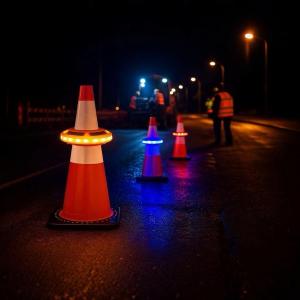
Emergency Warning Light Color Meanings: Amber, Red, Blue & Green ExplainedHave you ever noticed different colored warning lights on broken-down vehicles, roadside construction zones, or emergency scenes?
At first glance, they may seem like simple flashing lights used to attract attention. However, in reality, different colors of warning lights send different safety signals to drivers.
Different colors of warning lights communicate different levels of urgency and meaning.
Understanding these meanings not only improves road safety awareness but also helps you choose the right portable warning light for vehicle emergencies, roadside work, and outdoor applications.
Amber / Yellow Warning Light
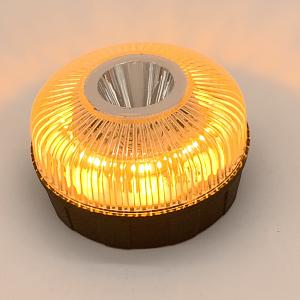
Amber or yellow is the most commonly used warning light color in roadside and construction environments.

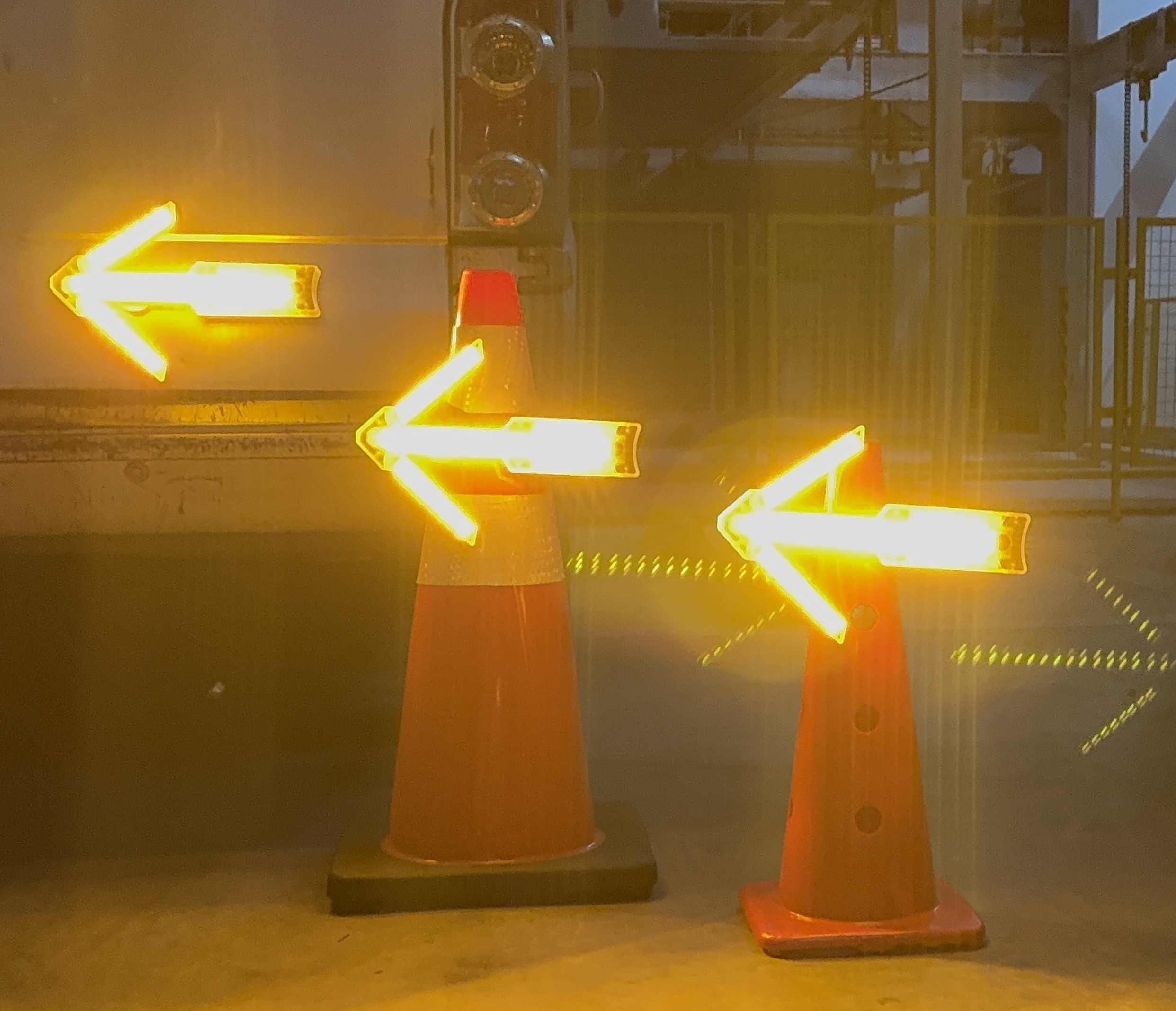
Meaning:
Common Applications:
- Roadside breakdown vehicles
- Road construction and maintenance zones
- Slow-moving or parked service vehicles
- Temporary traffic control areas
Amber lights are widely recognized as a universal caution signal.
Red Warning Light
Red is the most urgent and attention-grabbing warning color.
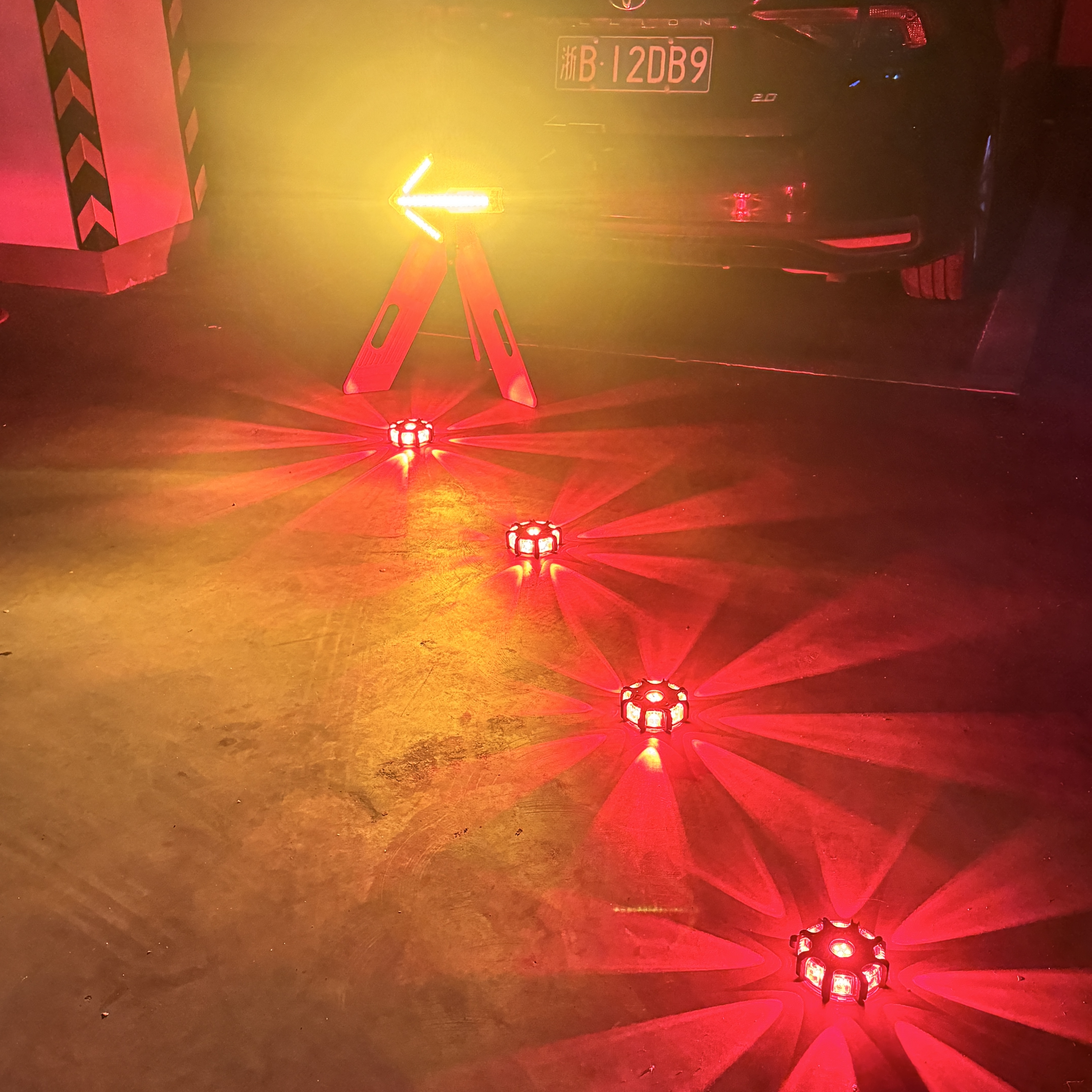

Meaning:
- High danger / Emergency situation
- Indicates immediate stop or critical alert
Common Applications:
- Traffic accidents
- Severe vehicle breakdowns
- Emergency stopping zones
- High-risk safety areas
Red lights are designed for maximum visibility and fast recognition, even at long distances or in low-light environments.
Blue Warning Light
Blue warning lights are typically associated with official or emergency services.

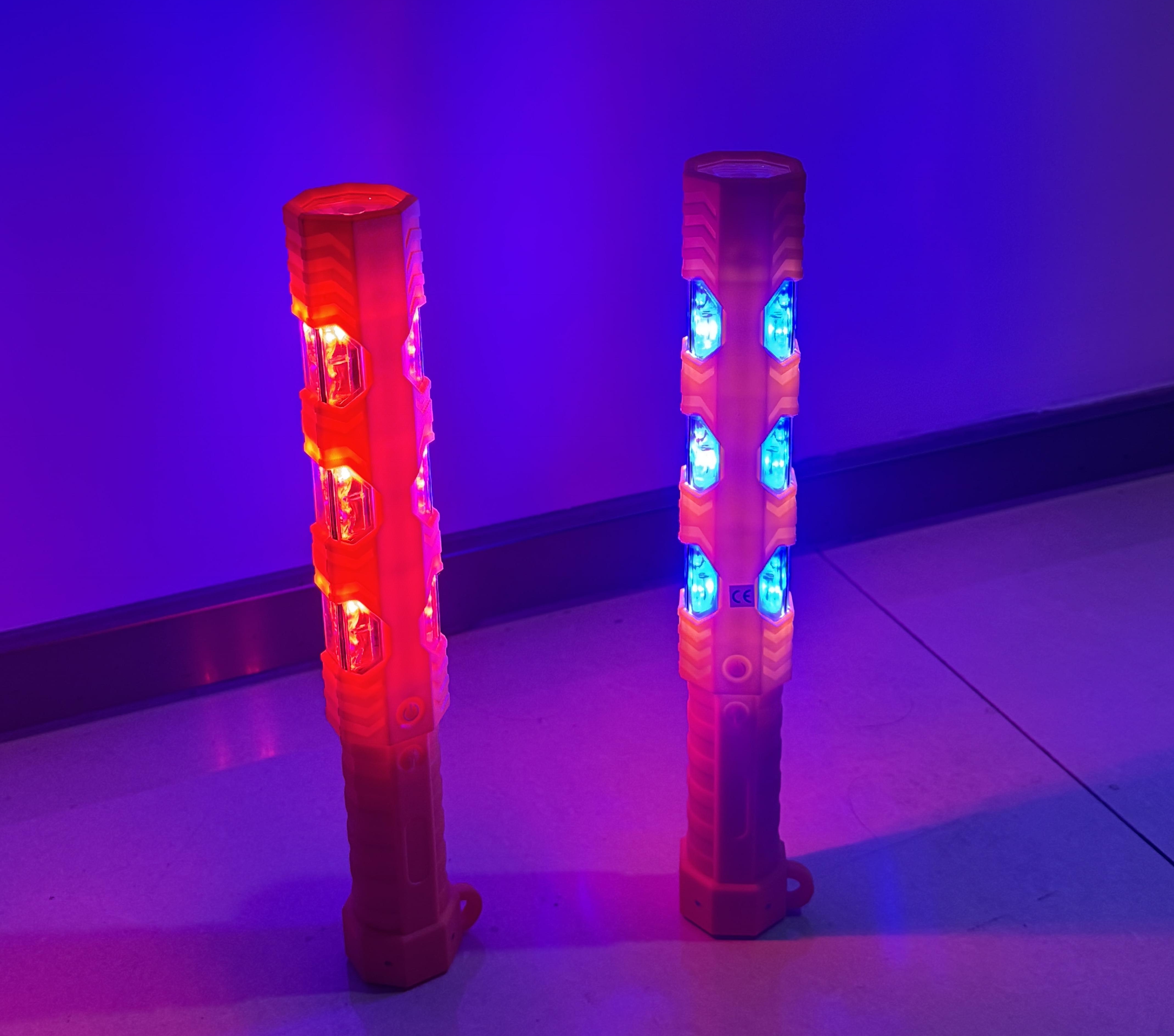
Meaning:
- Emergency / Law enforcement signal (varies by country)
Common Applications:
- Police vehicles
- Emergency rescue vehicles
- Security or special operation vehicles
- In some regions, regulated industrial use
Important:
Regulations for blue warning lights vary by country, especially for civilian vehicles.
Green Warning Light
Green lights are less common but still important in specific industries.
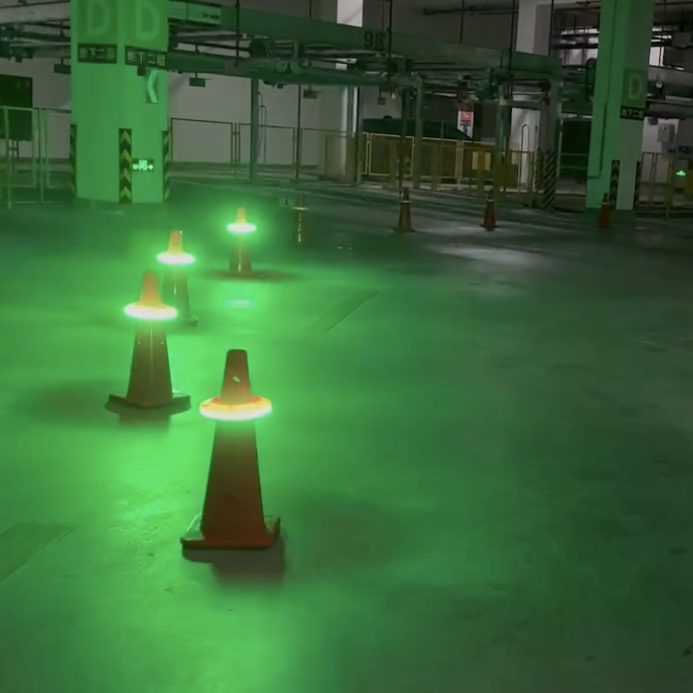
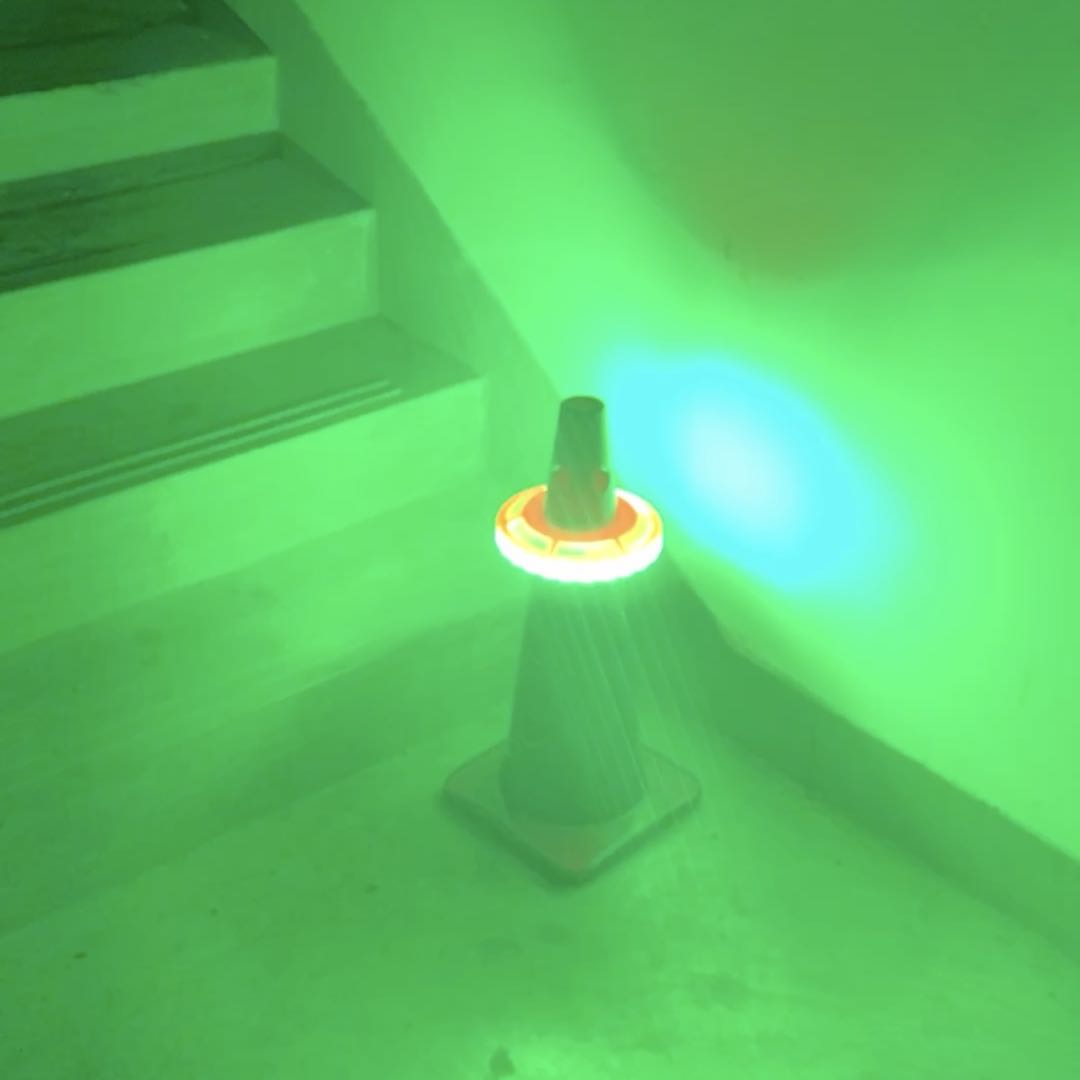
Meaning:
- Safety / Guidance / All-clear signal
Common Applications:
- Safety confirmation zones
- Large construction or control sites
- Logistics or industrial operations
- Temporary safety marking areas
Green lights typically indicate that an area is safe or under control.
How to Choose the Right Portable Warning Light
When selecting a portable warning light for vehicle emergencies or outdoor use, color is only one factor.
A professional warning light should also include:
- Multiple flashing modes (strobe / steady / SOS)
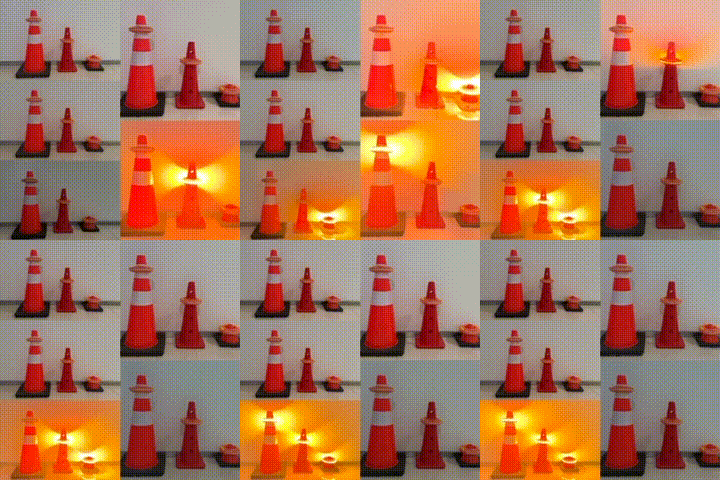
- Multi-color options (Amber / Red / Blue / Green / RGB)
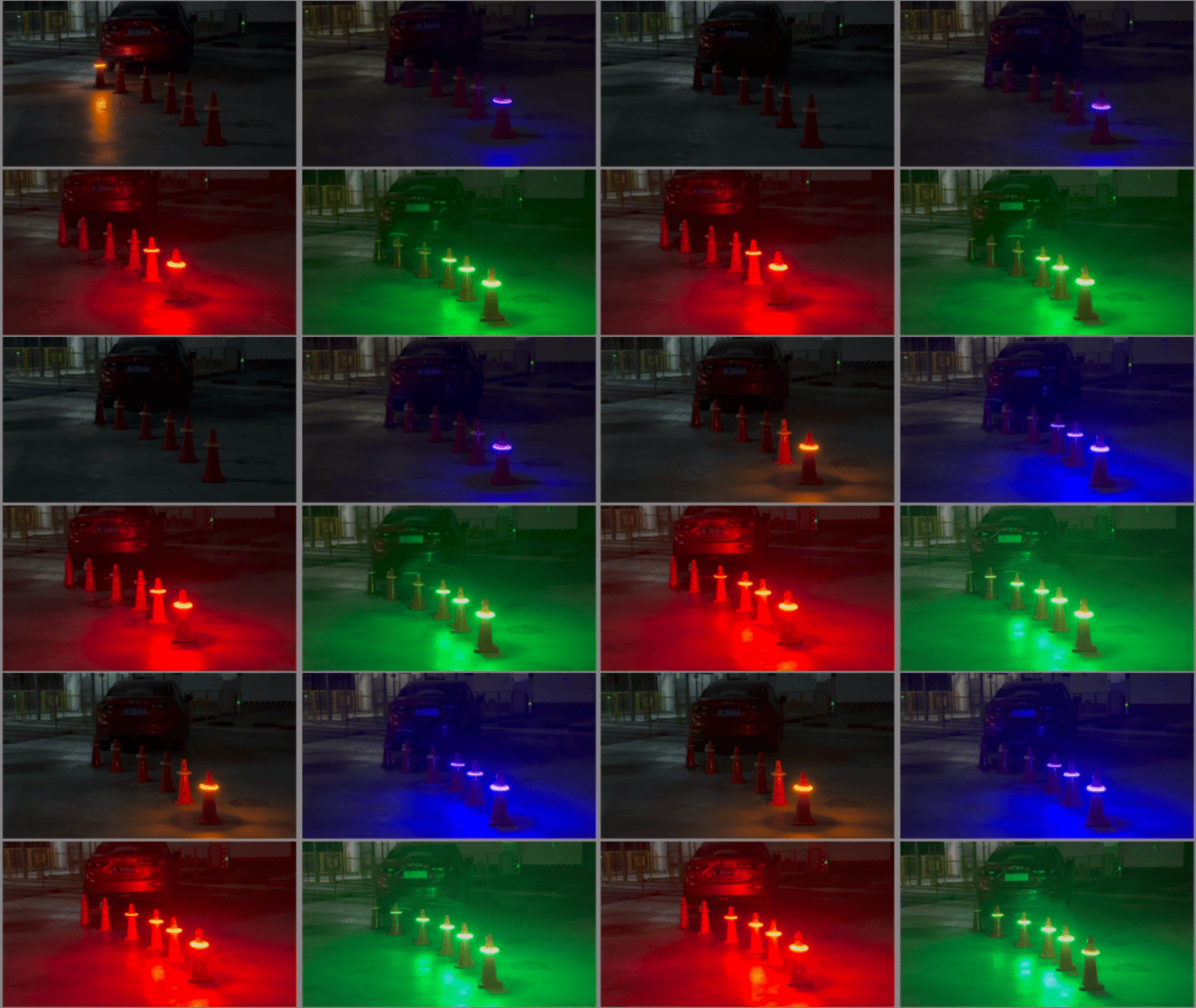
- Magnetic base for vehicle mounting

- Waterproof rating (IPX4 / IP65 or higher)

- Rechargeable battery for emergency readiness
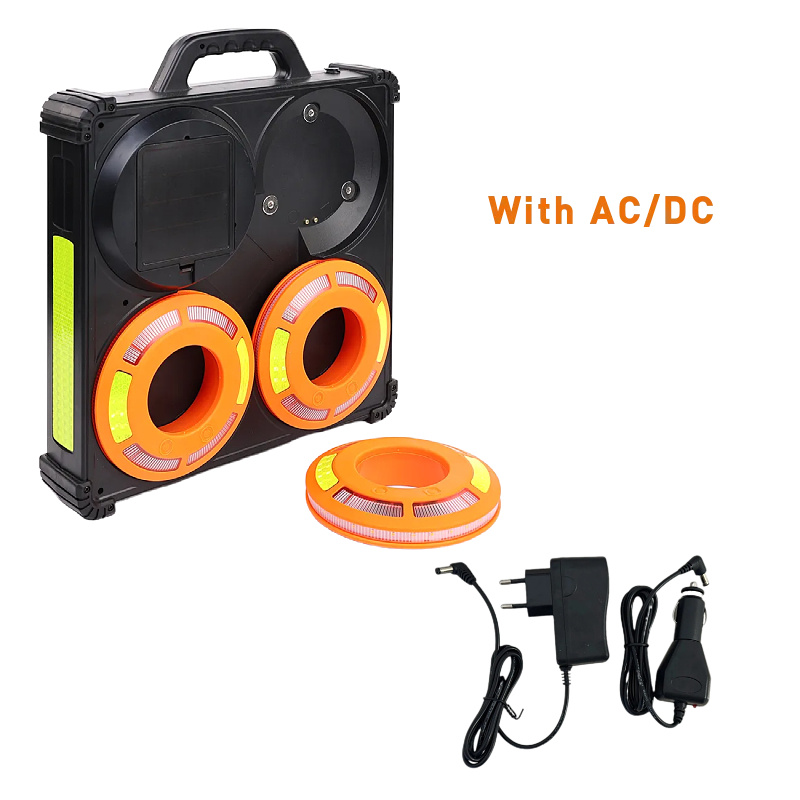
Modern warning lights are designed not only for visibility but also for flexibility across different emergency scenarios.
FAQ – Emergency Warning Light Colors
Can I install blue warning lights on a private vehicle?
Regulations vary by country. In many regions, blue lights are restricted to official or emergency vehicles only.
Which color is most visible at night?
Red and amber are generally the most visible and widely used for roadside safety.
Are amber warning lights universal?
Amber is the most widely accepted warning color, but regulations may still differ by region.
What is the best warning light for roadside emergencies?
A multi-mode amber/red LED warning light with magnetic mounting is typically the most practical choice.
Can warning lights be OEM customized?
Yes. Many manufacturers support OEM customization, including colors, flashing modes, and branding.
Conclusion
Emergency warning light colors are not just visual design—they directly affect road safety, hazard communication, and emergency response efficiency.
Whether used for vehicle breakdowns, roadside construction, or outdoor operations, choosing the right warning light color and function can make a critical difference in safety outcomes.