How RGB Sequential Warning Lights Reduce Secondary Roadside Accidents | Real Case Study & Safety Insights
How RGB Sequential Warning Lights Reduce Secondary Roadside Accidents: Real Case Study & Safety Insights
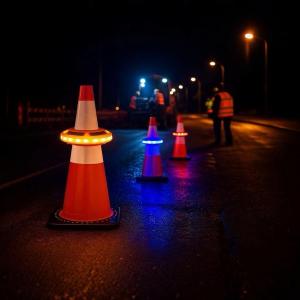
Roadside assistance professionals work in unpredictable, high-risk environments where visibility is often limited. Whether responding to a nighttime breakdown or performing emergency repairs on a highway shoulder, workers face one of the most serious hazards: secondary accidents.
A secondary accident occurs when an approaching driver fails to notice a stationary vehicle or roadside crew in time, causing dangerous near-miss interactions or collisions. These incidents typically stem from poor visibility, distracted driving, and insufficient lighting signals.
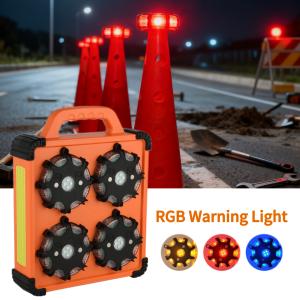
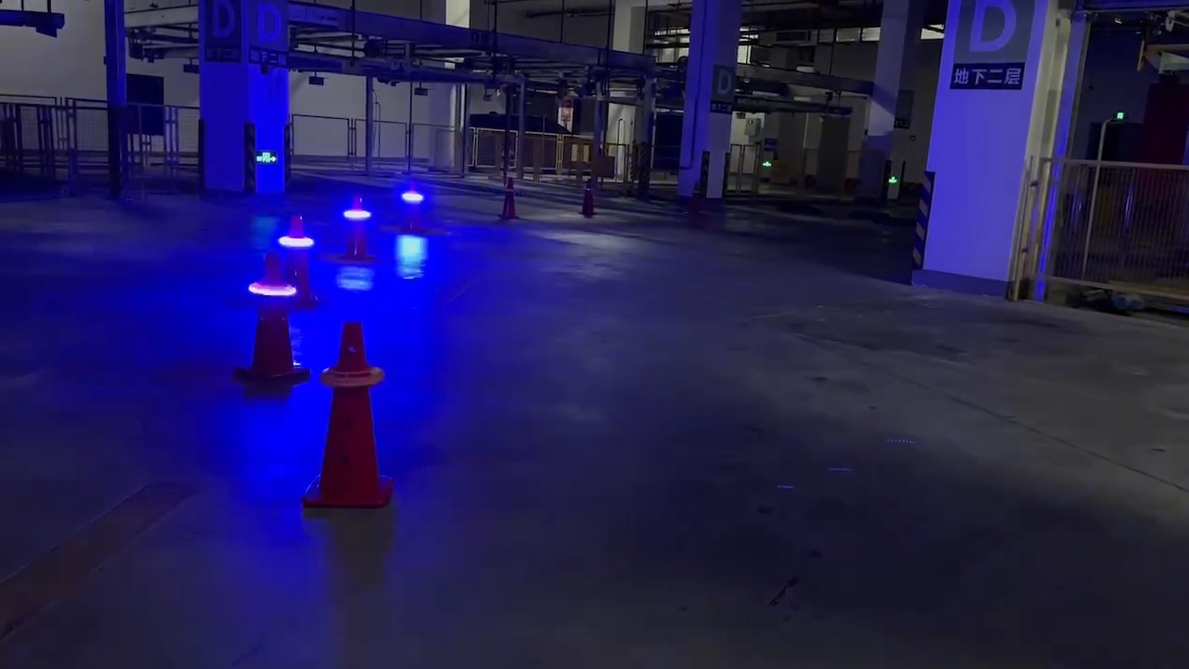
In October 2025, a roadside service team in Eastern Europe conducted a 30-day field test using our 8-Pack Rechargeable Sequential LED Traffic Cone Lights – Portable Road Safety Kit OEM Supplier to evaluate its impact on nighttime safety.
The results were remarkable.
Why Traditional Amber Warning Lights Are No Longer Enough
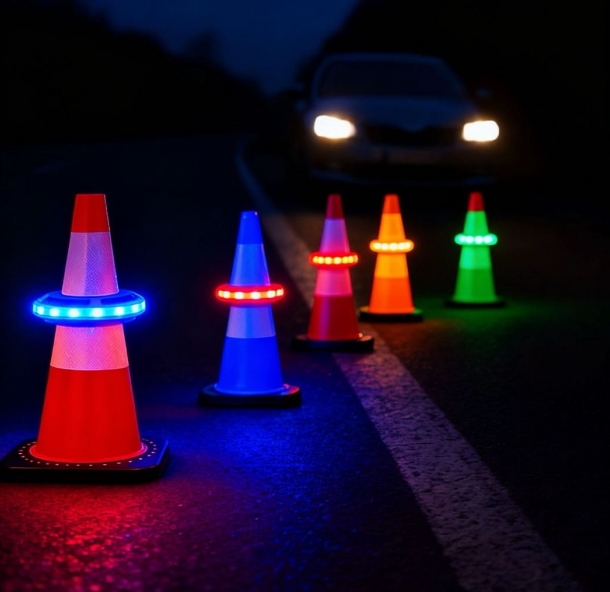
For decades, roadside teams relied on static amber beacons as their standard emergency lighting. However, with increasing nighttime traffic and distracted driving, these lights often fail to provide sufficient visual warning.
Key limitations of traditional amber lights:
-
Limited visibility in rain and fog
-
Poor contrast against city or highway lighting
-
Short recognition distance
-
Drivers often “filter out” static lighting patterns
These weaknesses delay driver reactions, increasing lane-change errors and secondary collisions.
Advantages of RGB Sequential Warning Lights
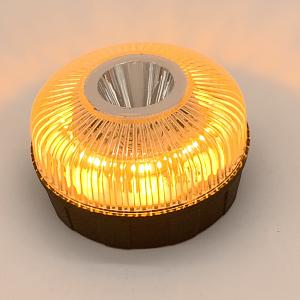
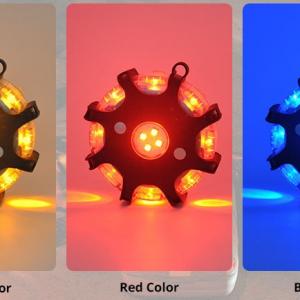
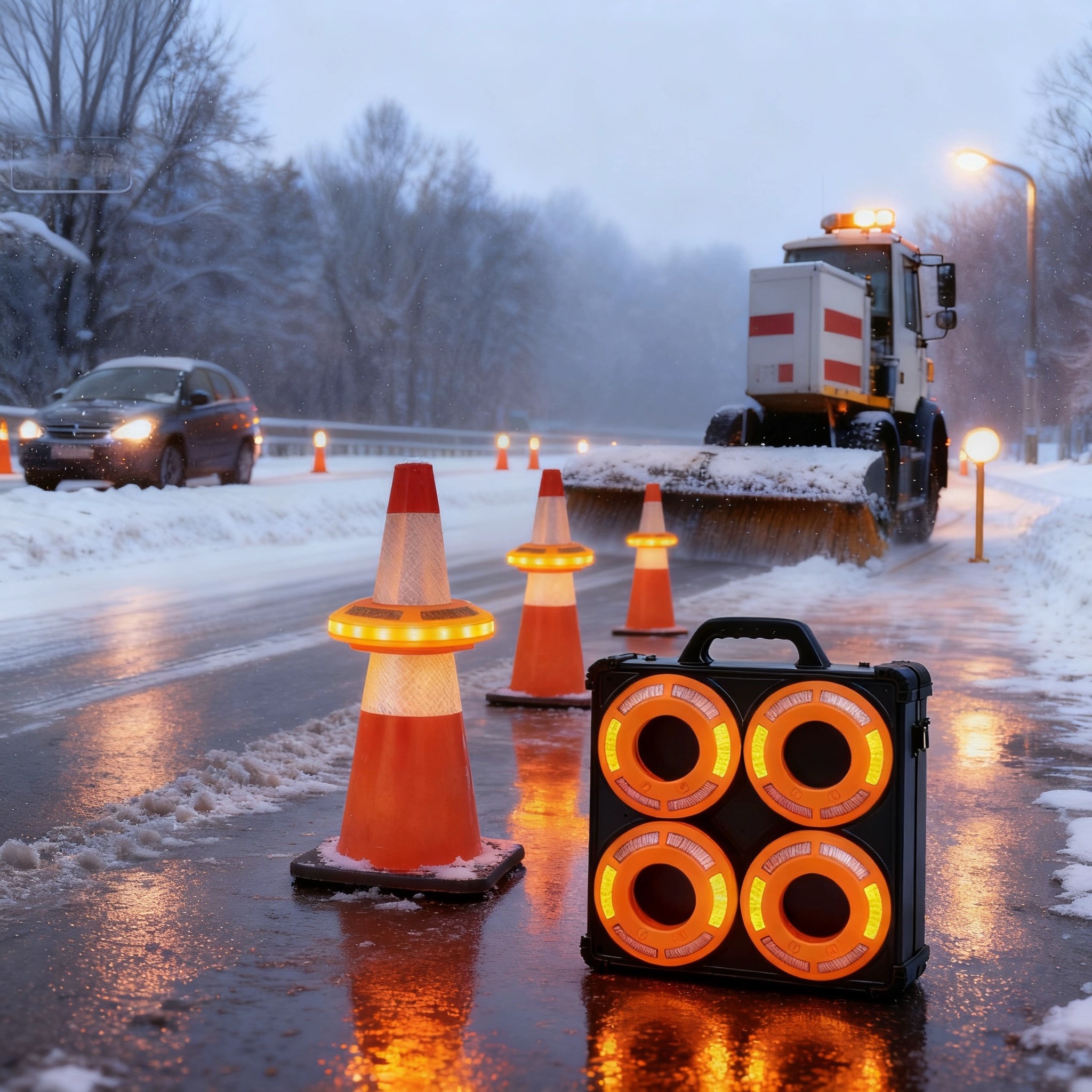
RGB Sequential Warning Lights use dynamic directional flashing. This motion creates a visual flow that the human eye detects faster than a static light.
1. Superior Visibility in Low-Light Conditions
The RGB LED combination produces stronger contrast, enhancing long-distance visibility—even through fog or light rain.
2. Faster Driver Reaction Time
Sequential motion signals “movement,” prompting drivers to slow down or change lanes earlier.
3. 360° Illumination Coverage
Sequential lights illuminate all sides of the work zone, improving visibility for both front and rear traffic.
4. Strong Attention Capture
RGB light patterns stand out from standard amber hazard lights, reducing the chance of being overlooked.
⭐ Case Study: 37% Reduction in Secondary Accident Risk
During the 30-day test period, the Eastern European team deployed the 8-Pack Rechargeable Sequential LED Traffic Cone Lights – Portable Road Safety Kit OEM Supplier during nighttime breakdown and highway shoulder operations.
Key findings from their operational report:
• Longer Recognition Distance
Drivers identified the warning lights 150–200 meters earlier compared to traditional amber beacons.
• Fewer High-Risk Encounters
The team reported fewer “jump-back moments” and sudden evasive steering due to delayed driver recognition.
• Safer Lane Guidance
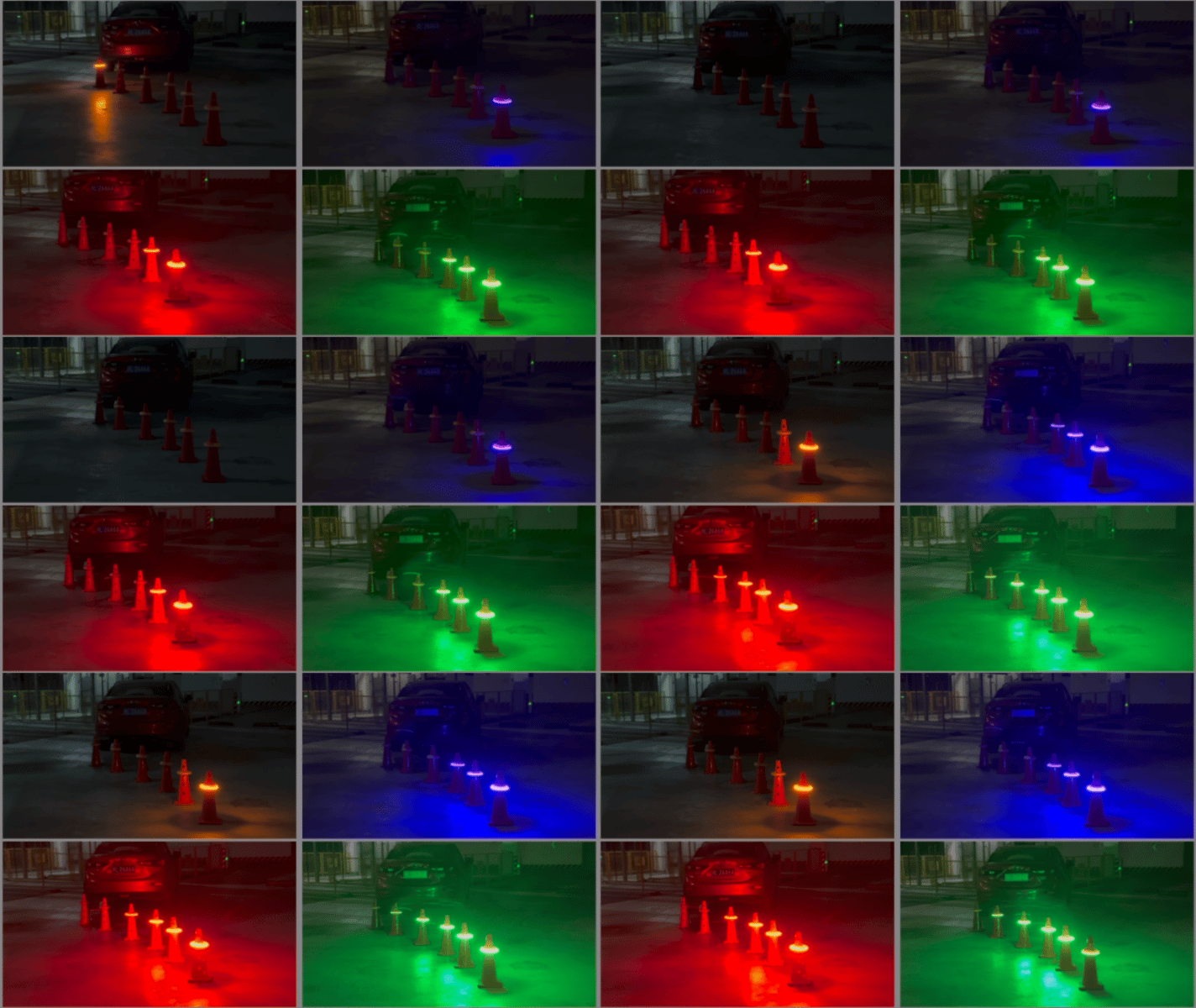
A three-light sequential “warning corridor” effectively guided approaching vehicles away from the team’s workspace.
• Documented Risk Reduction
Incident logs estimated a 37% reduction in secondary accident risk.
Technician Feedback
“This is the safest month we’ve had in 2025. Drivers slow down earlier and move away from us sooner. The sequential RGB pattern works better than any light we used before.”
Why Sequential Lighting Is More Effective Than Amber Lights
Human visual perception reacts more quickly to:
-
Motion
-
Color contrast
-
Dynamic light changes
Sequential lighting activates faster cognitive response, significantly improving driver awareness.
In critical environments such as:
-
Roadside rescue
-
Highway maintenance
-
Emergency repair
-
Vehicle breakdown assistance
faster reaction time can be the difference between a safe operation and a dangerous incident.
Who Benefits Most from Sequential Warning Lights?
These lights are now widely adopted by:
-
Roadside assistance fleets
-
Highway maintenance crews
-
Construction teams
-
Delivery fleet emergency units
-
Municipal service departments
-
Off-road and outdoor teams
Any operation requiring nighttime visibility can significantly reduce risk using sequential lighting.
Conclusion
As nighttime roadside operations become more frequent, enhancing visibility is essential for protecting workers and motorists. This case study demonstrates that RGB Sequential Warning Lights significantly reduce secondary accident risks by improving visibility, alerting drivers earlier, and establishing safer working zones.
If your team performs nighttime or emergency roadside tasks, upgrading to RGB sequential lighting can greatly improve safety and operational efficiency.
Learn More
For specifications, OEM/ODM support, or bulk purchase options, visit the product page:
Related News