System-Level Roadside Safety: How Sequential Warning Systems Reduce Secondary Accidents
System-Level Roadside Safety: Why Sequential Warning Systems Reduce Secondary Accidents
Introduction: The Hidden Risk of Secondary Accidents
Secondary accidents are one of the most underestimated risks in roadside incidents, emergency response, and work-zone operations. While most organizations focus on deploying warning lights, cones, or flares, many incidents still occur after the initial hazard is marked.
The reason is simple: visibility alone does not guarantee comprehension.
Drivers under stress, speed, darkness, or poor weather conditions have only seconds to interpret visual information. If warnings are unclear, inconsistent, or poorly structured, reaction time increases — and so does risk.
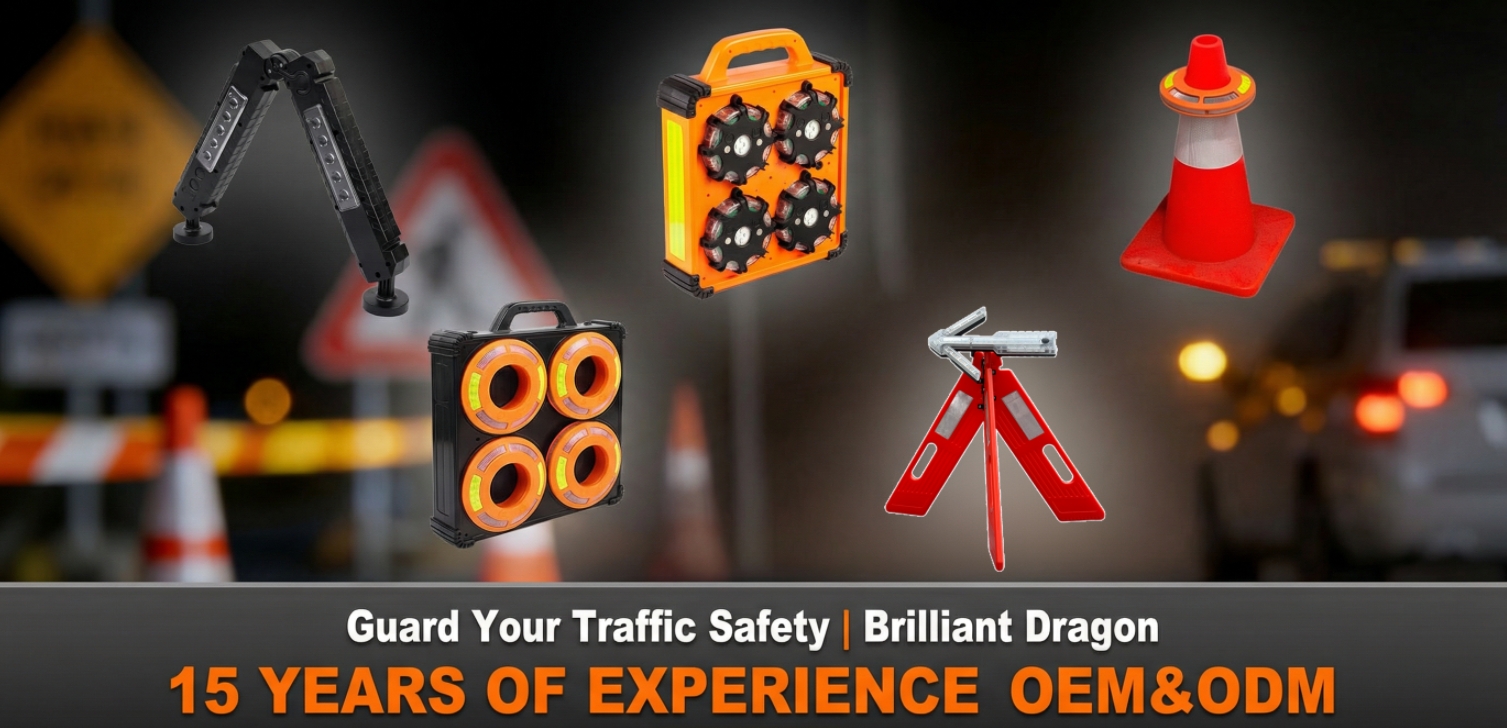
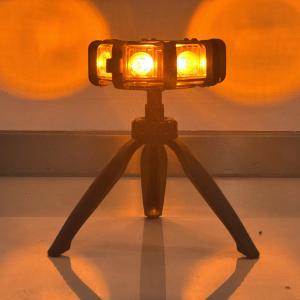
This article explores why system-level, sequential warning solutions—combining traffic cone lights, LED road flares, and directional arrow lights—are more effective than isolated warning devices.
Why Brighter Lights Are Not Always Safer
A common assumption in roadside safety is that increasing brightness automatically improves safety. In reality, excessive or poorly organized lighting can:
-
Create visual clutter
-
Cause confusion about direction
-
Delay driver decision-making
-
Increase cognitive load
Human factors research and traffic psychology consistently show that structured, directional, and rhythmic visual cues are processed faster than static or random light sources.
In other words:
Drivers don’t need more light — they need clearer information.
From Single Devices to System-Level Warning
Traditional roadside setups often rely on individual devices:
-
A single road flare
-
A flashing beacon
-
A standalone arrow board
While each tool serves a purpose, no single device communicates the full picture.
A system-level approach integrates multiple warning elements into a coordinated visual language.
The Three Core Components of a Sequential Warning System
1. Sequential Traffic Cone Lights
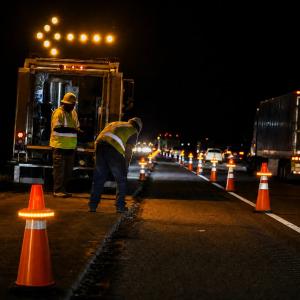
Traffic cone lights define the physical boundary of a work zone or incident area. When deployed in a sequential pattern, they:
-
Create a clear visual perimeter
-
Reinforce lane closure or narrowing
-
Improve distance perception at night
Sequential movement between cones helps drivers understand where the safe path is — and where it is not.

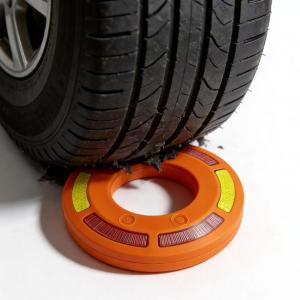
2. Sequential LED Road Flares
LED road flares provide early-stage awareness. Compared to traditional burning flares, rechargeable LED road flares offer:
-
Longer runtime
-
No fire or smoke risk
-
Consistent brightness
-
Multiple flash patterns
When arranged sequentially, road flares establish a rhythmic warning signal that draws attention from long distances and prepares drivers to slow down before reaching the work zone.

3. Directional Arrow Warning Lights
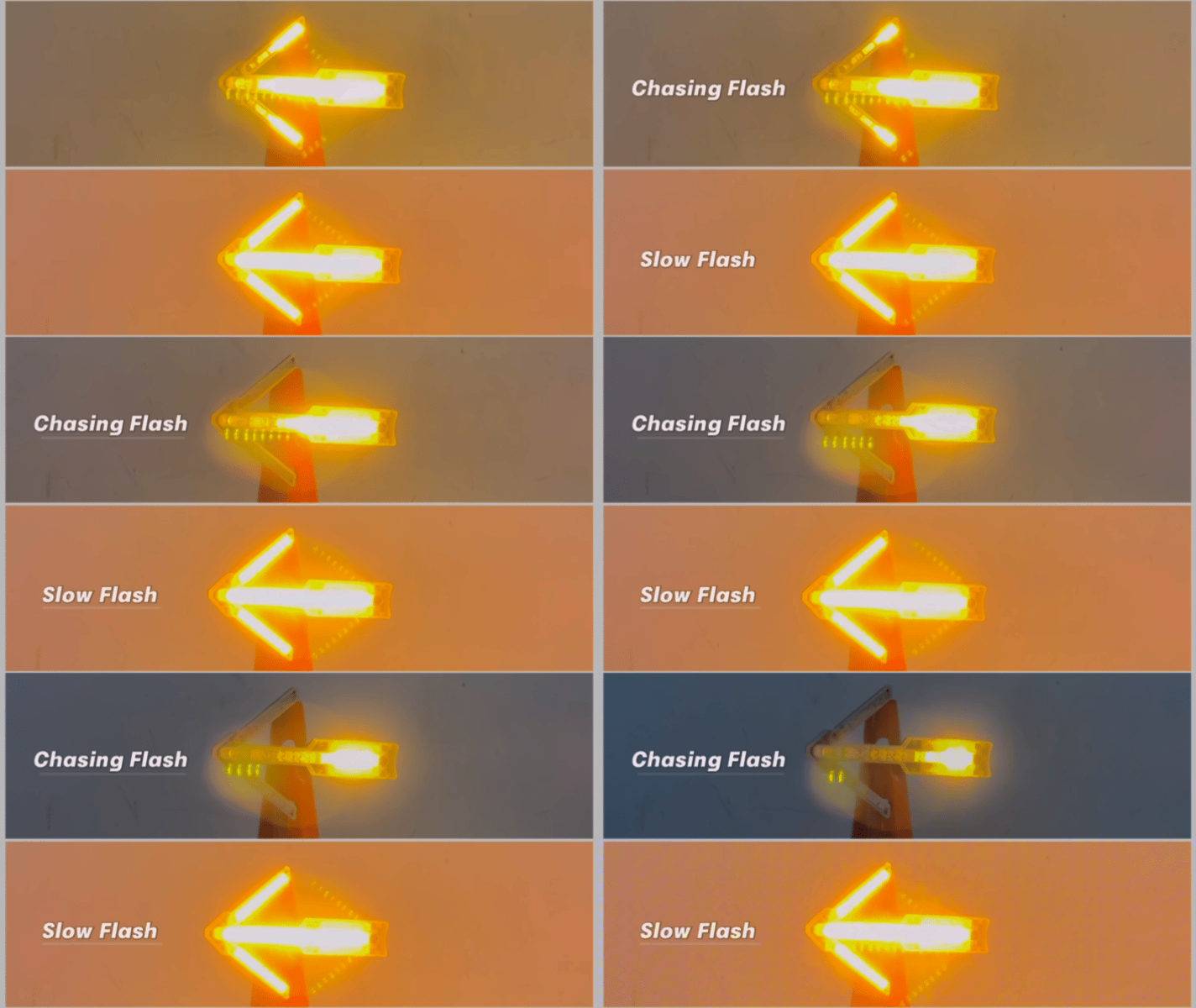
Arrow warning lights deliver the most critical instruction: what action the driver should take.
Directional arrows:
-
Eliminate ambiguity
-
Reduce hesitation
-
Clearly indicate lane changes or detours
When combined with cone lights and flares, arrow lights complete the visual message — transforming awareness into action.
How Sequential Systems Reduce Reaction Time
Sequential warning systems work because they align with how the human brain processes information:
-
Motion attracts attention
-
Sequence builds anticipation
-
Direction guides behavior
This layered approach reduces the time drivers spend interpreting the scene, allowing faster and safer responses.
Real-World Applications
System-level sequential warning solutions are particularly effective in:
-
Emergency response and roadside assistance
-
Highway maintenance and utility work
-
Construction and work zones
-
Nighttime or low-visibility conditions
-
High-speed traffic environments
These systems are scalable — from small incidents to large, multi-lane operations.
Advantages of Rechargeable Sequential Warning Systems
Modern sequential warning systems offer operational benefits beyond safety:
-
USB rechargeable (no disposable flares)
-
Long runtime for extended incidents
-
Magnetic and flexible mounting options
-
Weather-resistant, rugged construction
-
Modular deployment based on incident size
This makes them suitable for professional, fleet, and municipal use.
A Shift in Roadside Safety Thinking
The future of roadside safety is not about deploying more devices — it is about deploying them intelligently.
Moving from:
-
Single lights → Coordinated systems
-
Static warnings → Dynamic guidance
-
Visibility-focused → Cognition-focused design
represents a fundamental upgrade in how roadside risks are managed.
Conclusion
Secondary accidents are often preventable.
By adopting system-level sequential warning solutions that combine traffic cone lights, LED road flares, and directional arrow lights, organizations can significantly improve driver comprehension, reduce reaction time, and enhance overall roadside safety.
Because in critical roadside situations, being seen is not enough — being understood saves lives.
Learn more about sequential roadside safety solutions: