Sequential Warning Lights: How Smart Flare Systems Reduce Secondary Road Accidents
A single flashing light on the roadside signals danger, but often creates confusion. This hesitation can lead to tragic secondary accidents, turning one emergency into two.
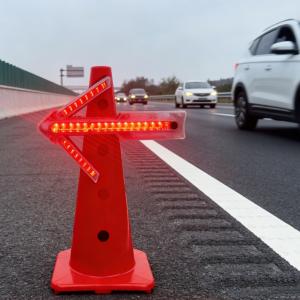
Sequential flashing smart flares reduce secondary accidents by creating a directional path of light. This system guides drivers' eyes, telling them not just to be aware, but exactly where to go. This clear instruction is far more effective at preventing collisions than a single, confusing beacon.

In my experience as a supplier, many people think the brightest light is always the safest one. But that's a dangerous oversimplification that can actually make a bad situation worse. Let's break down why coordinated light patterns, not just raw power, are the real game-changer in roadside safety.
Jump to:
→ Brightness vs Clarity
→ Systems vs Single
→ Smart Flare Features
Brightness vs. Clarity: Why High-Lumen Road Flares Can Increase Accident Risk
You assume maximum brightness is the best way to get noticed on the road. But in rain or fog, that intense light can create a wall of glare, making it harder for drivers to see.
No, brighter isn't always safer. Excessive brightness can cause glare, especially in bad weather or at night, hiding the very hazard you're trying to reveal. The goal is a clear, recognizable warning rhythm, not just maximum lumen output, to ensure drivers understand the situation without being blinded.

From a product-development perspective, we constantly balance brightness with clarity. The human brain is wired to recognize patterns, and a rhythmic, moving light is processed as a directional cue, not just a threat. An overly bright, static flash can cause drivers to squint or look away, which is the last thing you want. In poor visibility conditions, this problem gets much worse. The light particles reflect off rain, fog, or snow, creating a blinding effect that can hide response vehicles and personnel. A well-designed sequential system uses a moderate, controlled brightness that cuts through the weather without overwhelming the driver's vision. The emphasis shifts from a "lumen war" to intelligent signaling.
Brightness vs. Clarity in Different Conditions
| Condition | High-Lumen Single Flare | Sequential Smart Flare System |
|---|---|---|
| Clear Night | Highly visible, but can cause temporary blindness. | Provides a clear directional path with less eye strain. |
| Heavy Rain/Fog | Creates a wall of glare, hiding the hazard. | The moving pattern cuts through and shows direction. |
| Around a Curve | Appears suddenly, startling the driver. | The "flowing" light gives advance warning of the curve ahead. |
Sequential Warning Light Systems vs. Single Flares: Directional Guidance That Saves Lives
You've set up a powerful warning beacon at an accident scene. But drivers still seem unsure which way to merge. Is one light, no matter how bright, really enough to give clear instructions?
A system of lights provides directional guidance that a single flare cannot. By flashing in a coordinated sequence, multiple flares create a visual "path" or "arrow." This transforms a simple warning into a clear instruction, telling drivers exactly where to steer and reducing dangerous hesitation.
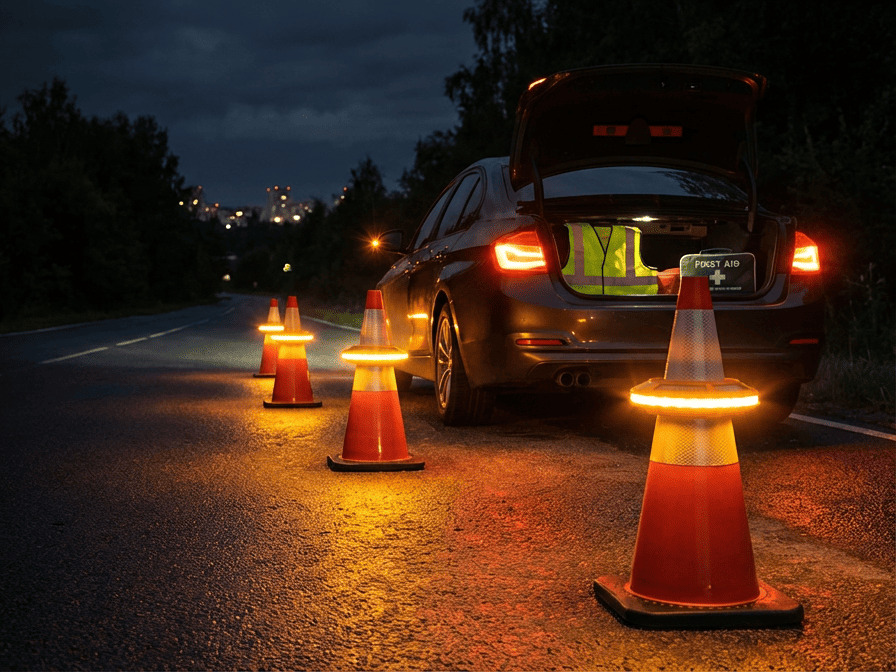
In customer discussions, we often see buyers focus on the specs of a single unit. But the real value comes from how multiple units work together. Think about it this way: a single flashing light says "DANGER HERE." A synchronized system of sequential lights says "DANGER HERE, AND YOU NEED TO MOVE OVER THERE." This simple change in communication is critical. It leverages basic human psychology; our eyes are naturally drawn to and follow movement. A sequential pattern creates a flow that leads the driver's gaze safely around the incident. This is why we focus on system-level features during development. The key is not just making lights flash one after another, but ensuring they do it in a way that is intuitive and instantly understood from a distance.
From Alert to Action
The effectiveness of a smart flare system depends on several coordinated factors:
- Synchronization: All lights must work together perfectly to create a smooth, unbroken pattern.
- Sequence Modes: Professional systems offer different patterns for various scenarios, like a left merge, a right merge, or a full lane closure.
- Placement Logic: The spacing and angle of the flares are crucial for creating a clear and unambiguous visual message for approaching drivers.
What Makes a Smart Road Flare System Professional-Grade: Sync, Durability & Compliance
You're looking to buy "smart" flares, but the market is confusing. Many products claim to be advanced, yet they seem like basic flashing lights. How do you spot the difference and avoid wasting your budget?
A truly "smart" flare system goes beyond just flashing in order. It includes practical features like one-touch group synchronization for fast deployment, rugged durability (waterproof, crushproof), and stable power for long incidents. These professional-grade features ensure the system works reliably when it matters most.
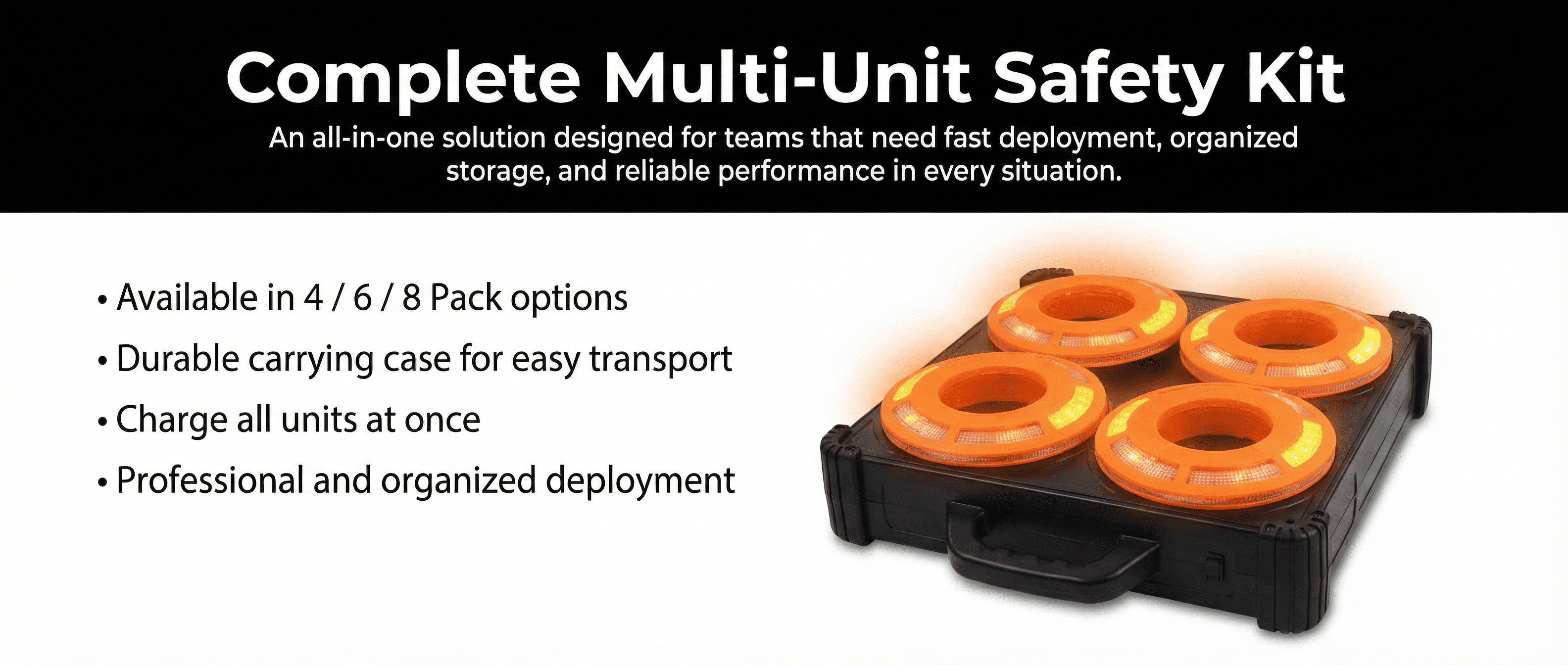
As a supplier providing customizable warning lights, I talk with procurement managers from government departments and private companies all the time. Their concerns go far beyond the flashing pattern. A flare that fails during a critical incident is worse than useless. That's why the "smart" features that matter most are those related to reliability and ease of use in the field. First responders don't have time to pair devices one by one. They need a system that can be deployed and activated in seconds. The units also have to withstand being dropped on asphalt or even run over by a vehicle. This is where robust construction, high IP ratings for water and dust protection, and long, consistent battery life become non-negotiable.
Key Procurement Questions
- Deployment: Can the entire set be synchronized with a single button press?
- Durability: Is it certified crush-proof and waterproof (e.g., IP67 or higher)?
- Power: Does it offer a long, reliable runtime without dimming as the battery drains?
- Compliance: Does it meet regional certification requirements, like those related to radio frequencies for wireless sync?
These are the questions that separate a consumer gadget from a professional-grade life-saving tool.
Conclusion
Effective roadside safety isn't about blinding brightness. It's about clear communication. Sequential smart flare systems provide the directional guidance that truly helps prevent secondary accidents.
If you're still evaluating which LED road flare product is right for your use case, our complete B2B buyer's guide covers spec sheets, certifications, and supplier realities in detail.
For procurement decisions based on safety requirements, see our Complete LED Road Flare Sourcing Guide covering compliance, specs, and buyer profiles.