What Color Warning Light Is Required for Road Safety? A Complete Guide for Europe
Introduction
Choosing the correct color for warning lights is essential for road safety. Using the wrong color can confuse drivers, reduce visibility, and even violate European safety regulations. This guide explains which colors are appropriate for different road safety applications and why.
1. Why Warning Light Color Matters
Warning lights are not just for visibility—they communicate information. Drivers and pedestrians recognize colors instantly, which helps prevent accidents.
-
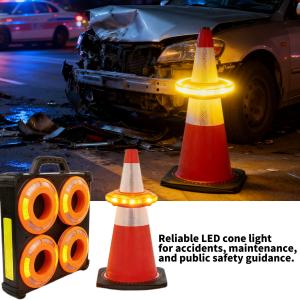
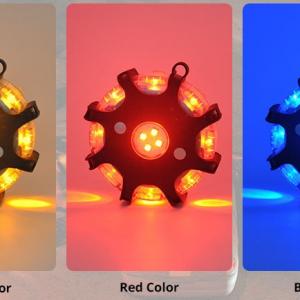
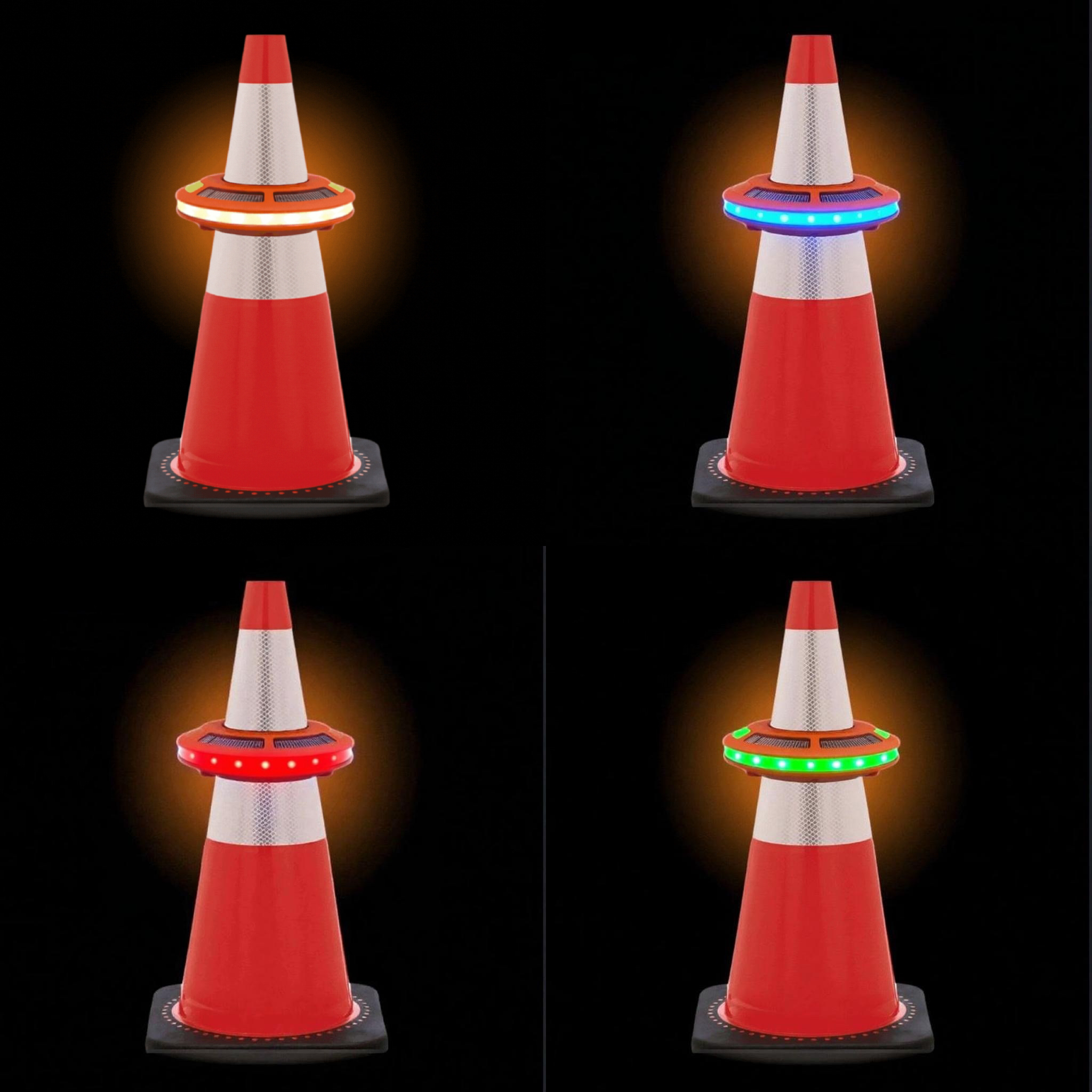
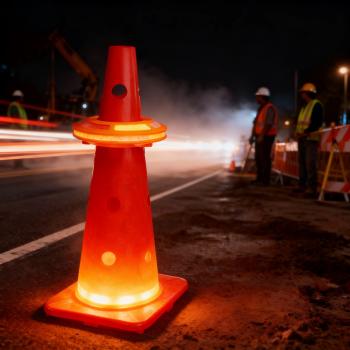
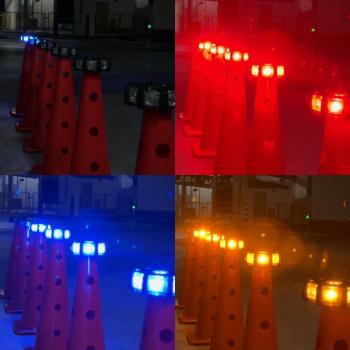
Amber / Yellow: Commonly used for temporary hazards and construction zones.
-
Red: Indicates stop or danger, often for emergency vehicles.
-
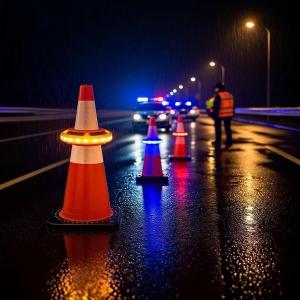
Blue: Reserved for law enforcement or specific authorized vehicles in some regions.
-
White: Typically used for auxiliary lighting or illumination.
Correct color selection ensures compliance with safety regulations and improves situational awareness.
2. European Standards for Warning Light Colors
European road safety authorities regulate warning light colors for vehicles and roadside applications. Key points:
-
Amber lights are widely accepted for construction, maintenance, and service vehicles.
-
Red lights are limited to emergency vehicles.
-
Blue lights are restricted to police and certain emergency services.
-
White lights are auxiliary and should not be used for hazard signaling.
⚠ Always check the ECE R65 standard for beacon and warning lights in Europe, as misuse of colors may result in fines.
3. Recommended Colors by Application
| Application | Recommended Color | Notes |
|---|---|---|
| Road construction | Amber | Most common; visible in daylight and night |
| Emergency repair vehicle | Amber/Red | Red optional for rear hazard |
| Snow plow / maintenance | Amber | Ensures visibility in all weather |
| Police / law enforcement | Blue | Strictly regulated |
| General auxiliary illumination | White | Not for hazard signaling |
4. Choosing the Right Warning Light
When selecting a warning light, consider:
-
Compliance: Ensure the color matches local road regulations.
-
Visibility: Brightness (lumens), flash pattern, and height placement affect safety.
-
Environment: Weather conditions (rain, snow, fog) influence color perception.
-
Type of vehicle: Large trucks may need higher-mounted amber lights for visibility.
Using the right color improves both driver recognition and overall road safety.
5. Frequently Asked Questions (FAQ)
Q1: Can I use a red warning light on a construction vehicle in Europe?
A: No. Red lights are generally reserved for emergency vehicles. Using red for construction may violate regulations.
Q2: Are amber lights visible in foggy conditions?
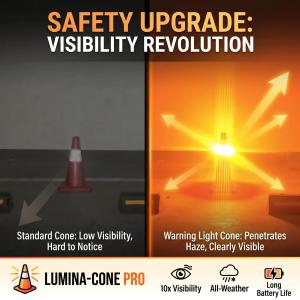
A: Yes. Amber lights penetrate fog and dust better than white lights, making them ideal for road hazards.
Q3: How many flashing modes should a warning light have?
A: At least 3–5 modes (steady, slow flash, fast flash) are recommended for visibility and regulatory compliance.
Q4: Can I combine colors on a single warning light?
A: Yes, but it must follow local laws. Typically, amber is primary, with optional red for rear signaling on emergency vehicles.
Conclusion
Correct warning light color selection is crucial for road safety. For European road applications, amber is the standard for construction and maintenance, red is for emergency, and blue is reserved for law enforcement. Using the proper color not only complies with regulations but also enhances safety for drivers, workers, and pedestrians.
Related News