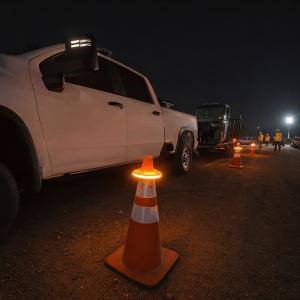
The First Responder’s Kit: Why Portable Arrow Lights are Essential for Emergency Scene Management.
Every year, hundreds of first responders are injured at roadside emergency scenes. The right portable arrow light can mean the difference between a controlled incident and a dangerous one. I've seen procurement managers struggle with this choice, and the stakes are higher than many realize.
Portable arrow lights are essential for emergency scene management because they provide clear directional guidance to motorists, reduce the risk of secondary collisions, and protect first responders working in high-traffic zones. The right light setup can cut accident response fatality rates by preventing traffic from entering active emergency zones.
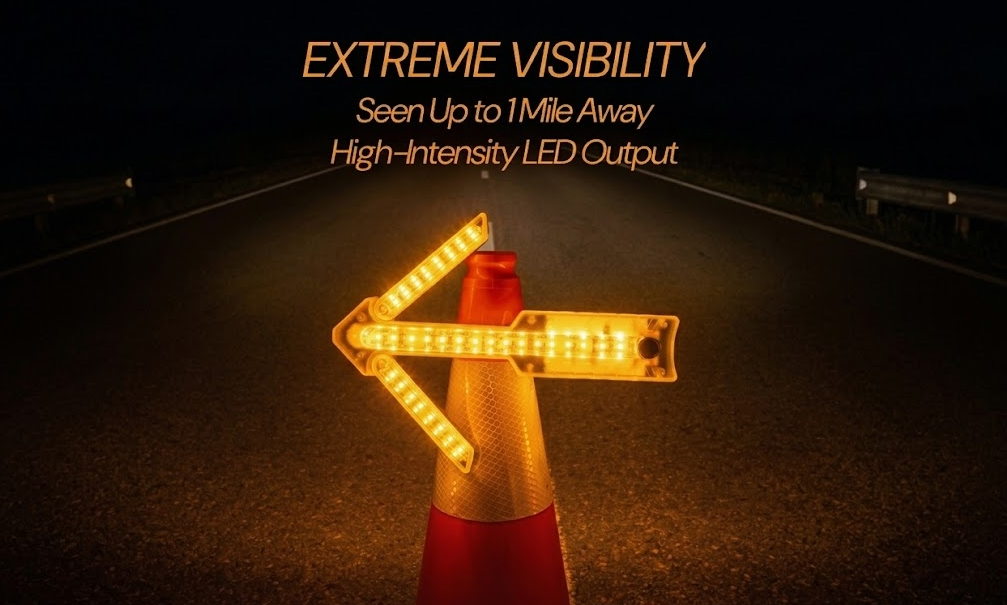
The question is not whether your team needs these lights. The question is whether you've chosen lights that will actually work when seconds count. Let me walk you through what really matters in this decision.
What Makes a Portable Arrow Light "Emergency-Ready" vs. Just "Bright"?
Many buyers focus on brightness numbers first. I understand why. Higher lumens sound better. But this approach misses the point entirely.
An emergency-ready portable arrow light combines visible directional signaling, reliable power management, and rapid deployment features that function consistently across weather conditions and day-night cycles. Brightness alone does not guarantee effectiveness in actual emergency scenarios.
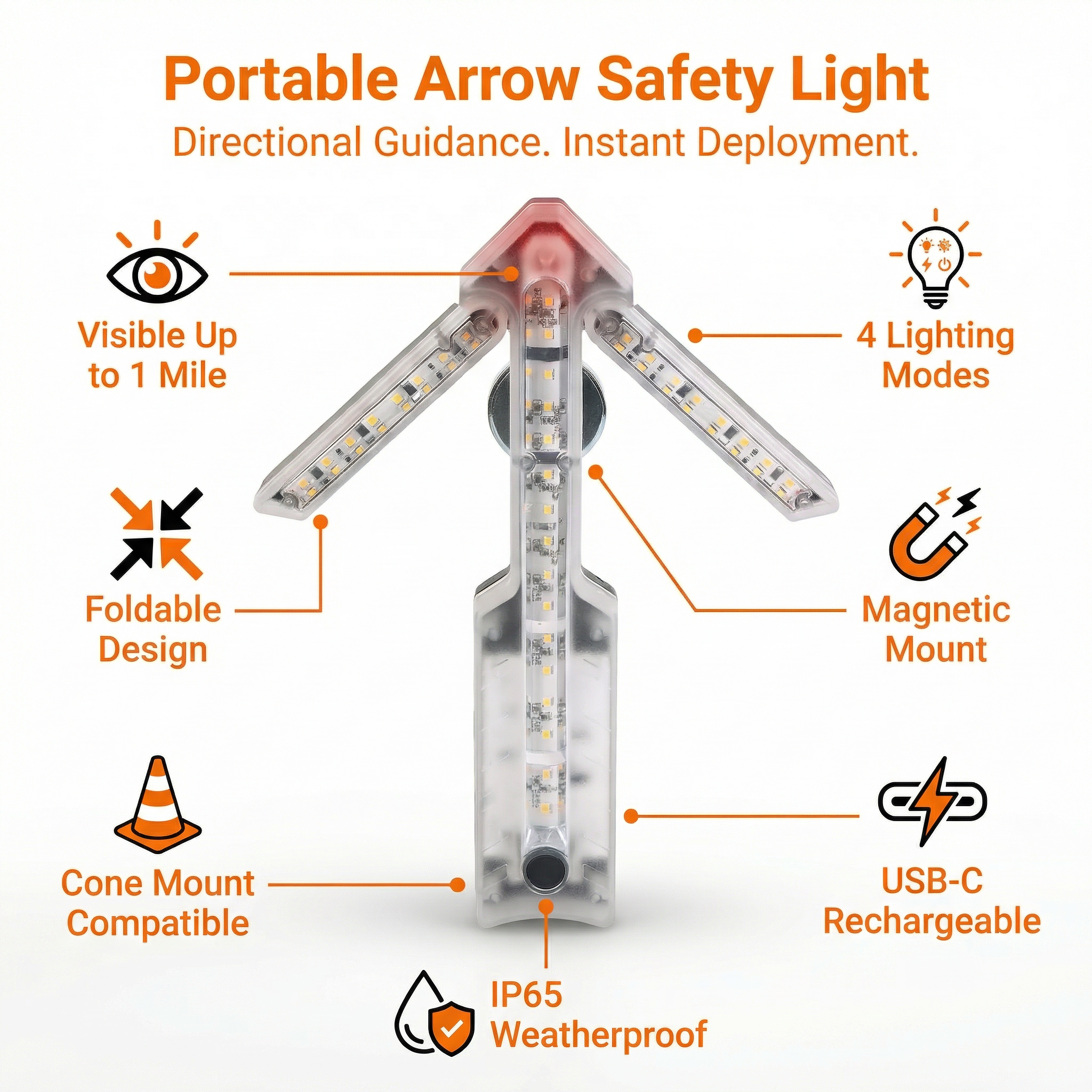
A frequent question we get from our clients is about flash patterns. They want to know how many patterns a light offers. Here's what I tell them: three well-designed patterns beat twenty poorly thought-out ones. The patterns that matter are the ones that work at different distances and speeds. A pattern that works for slowing traffic at 500 feet is different from one that redirects traffic at 100 feet.
The real test comes down to these factors:
| Feature | Why It Matters in Emergencies | What to Look For |
|---|---|---|
| Deployment Speed | Every second counts during setup | Tool-free mounting, one-person operation, clear on/off indicators |
| Battery Duration | Operations often exceed initial time estimates | Minimum 4-hour runtime on highest setting, clear battery indicators |
| Weather Resistance | Rain, snow, and fog don't stop emergencies | True IP65 rating minimum, fog-penetrating wavelengths |
| Impact Durability | Equipment gets dropped, kicked, run over | Drop-rated housing, reinforced lens, stable base design |
| Visibility Range | Different road types need different ranges | Effective at 1000+ feet for highways, adjustable brightness for urban use |
When helping a distributor choose a product for their fire department clients, we emphasize one thing above all: will this light still work after being thrown from a moving vehicle? This happens. Equipment falls off trucks. Lights get knocked over by passing mirrors. The light that survives these events is the one that saves lives.
I remember a conversation with a procurement manager from Germany. He told me his previous supplier delivered lights with impressive specs on paper. Six months later, half the units failed. The issue wasn't brightness. The batteries couldn't handle the cold winter temperatures. The units were rated for "outdoor use" but not tested for actual field conditions. This is the gap between specifications and reality.
How Do You Match Arrow Light Features to Your Actual Emergency Scenarios?
Every emergency is different. Highway accidents at night require different lighting than urban street closures during the day. This is where most procurement decisions go wrong.
Matching arrow light features to emergency scenarios requires analyzing your end-users' most frequent and highest-risk situations, then prioritizing features that address those specific operational challenges rather than pursuing maximum capabilities across all parameters.
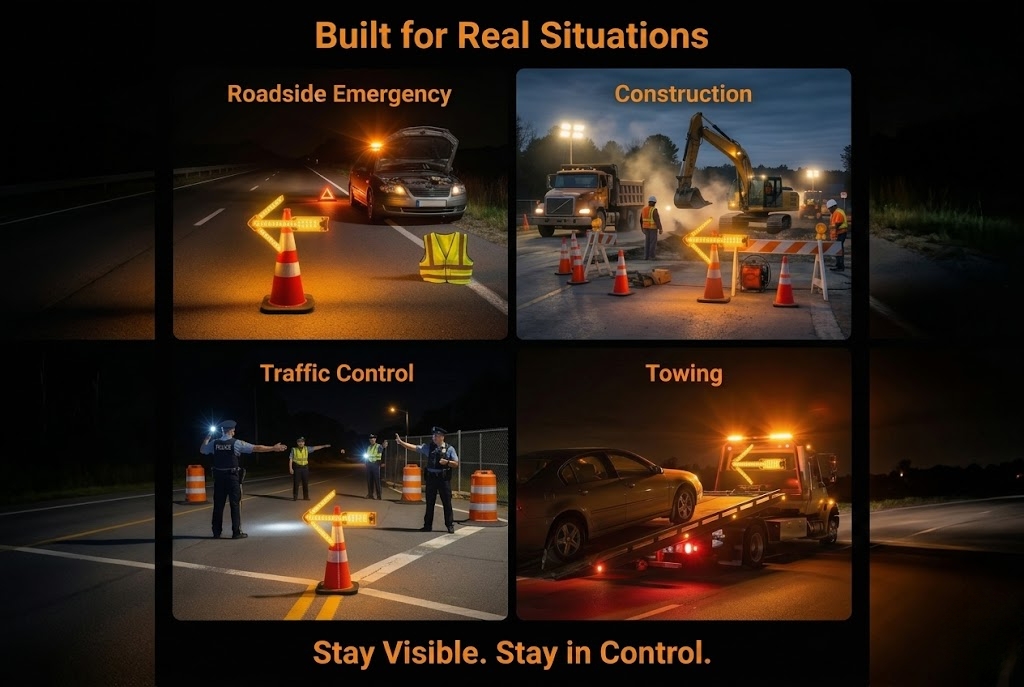
We've observed a common pitfall in tenders. Buyers create one universal specification for all their units. They want lights that work everywhere. This sounds efficient. But it often results in compromised performance across all scenarios.
Let me break down the scenario-based approach:
Highway Incident Response
Highways present the highest risk. Vehicles approach at high speed. Drivers have limited time to react. Your lights need maximum visibility range. The priorities shift:
- Long-range visibility becomes critical (1000+ feet)
- Amber wavelengths work better than red or blue for traffic control
- Higher brightness settings are necessary
- Wider viewing angles help drivers in multiple lanes see the warning
- Longer battery life matters because highway incidents take time
A client in the US once asked why we recommend different lights for their highway patrol units versus their city police. The answer is simple: city streets have streetlights, slower speeds, and shorter distances. Highway work doesn't have any of these advantages.
Urban Street Management
Urban environments are different. Buildings reflect light. Streetlights already illuminate the area. Your challenge isn't visibility from a mile away. Your challenge is clear directional guidance in a visually noisy environment.
Urban scenario priorities:
- Directional clarity over raw brightness
- Patterns that stand out from ambient lighting
- Compact size for narrow streets
- Quick repositioning capability
- Lower power settings to avoid light pollution complaints
Weather-Specific Considerations
Rain changes everything. Fog changes everything again. Snow creates its own set of problems. Most procurement specs ignore these factors entirely.
I'll give you a concrete example. Standard LED wavelengths scatter in fog. The light looks impressive in clear weather but becomes nearly useless in heavy fog. Lights designed for emergency use need wavelengths that penetrate fog better. This isn't about brightness. This is about physics.
The smart approach: identify your three most common emergency scenarios. Identify your three highest-risk scenarios. Choose lights that excel in these six situations. Accept that they might not be optimal for every possible scenario. This is better than choosing lights that are mediocre in all scenarios.
Why Does Battery Technology Matter More Than Most Buyers Realize?
Battery specs put people to sleep. I get it. But this is where many emergency operations fail. Not because the light broke. Because the battery died.
Battery technology directly impacts operational reliability because emergency response duration is unpredictable, replacement opportunities are limited during active scenes, and temperature extremes affect performance in ways that standard capacity ratings don't capture.
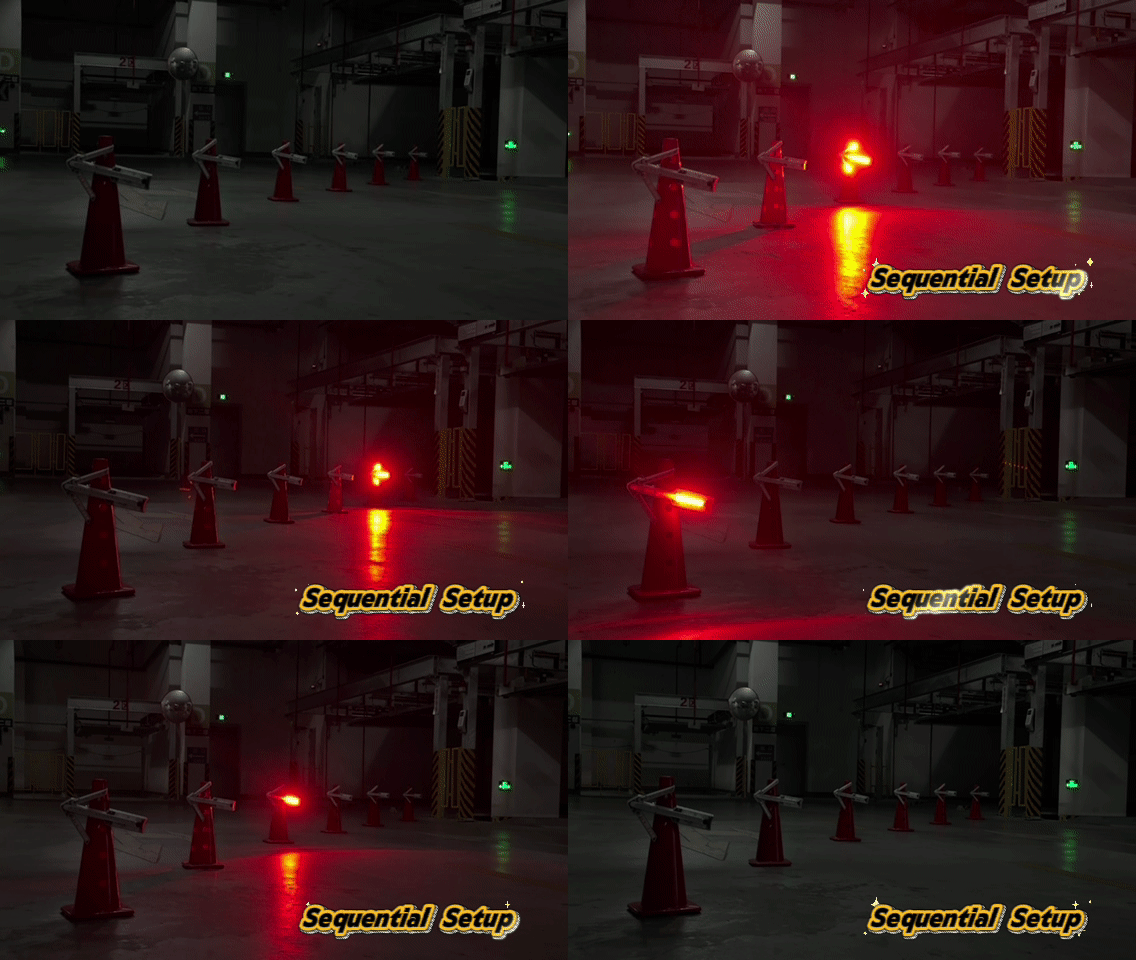
Here's what happens in real emergency operations. A unit gets called to a scene. They estimate two hours. Four hours later, they're still there. The lights have been running the whole time. Do your batteries last? Most buyers never ask this question.
We had a distributor contact us after a winter incident. Their client's lights failed after 90 minutes. The specifications said four-hour runtime. What happened? The specifications were tested at room temperature. The incident occurred at -10°C. Cold kills battery capacity. The specs weren't lying. They just weren't telling the whole truth.
Battery Types and Real-World Performance
Different battery chemistries behave differently:
| Battery Type | Temperature Range | Runtime Stability | Replacement Cost | Best Use Case |
|---|---|---|---|---|
| Lithium-Ion | -10°C to 45°C | Excellent | Medium | All-season professional use |
| Lithium-Polymer | 0°C to 40°C | Good | Medium-High | Mild climate operations |
| NiMH | -20°C to 45°C | Fair (capacity drops in cold) | Low | Budget-conscious buyers |
| Sealed Lead Acid | -15°C to 40°C | Poor (heavy, capacity degrades) | Very Low | Fixed-position applications only |
The hidden cost of cheap batteries shows up later. A lithium-ion battery costs more upfront. But it maintains capacity longer. It handles temperature swings better. It weighs less, making deployment easier. The total cost of ownership actually favors the premium battery.
Another factor buyers miss: replacement availability. I ask clients this question: can your field personnel replace batteries on-site? If not, you need longer runtime. If yes, you need standardized battery formats that are easy to source.
What Role Does Durability Play in Total Cost of Ownership?
Purchase price is easy to measure. Durability is hard to measure. But durability determines your real cost. A light that lasts one year at half the price costs more than a light that lasts five years at full price.
Durability impacts total cost of ownership through replacement frequency, maintenance requirements, warranty claims processing, and the hidden costs of equipment failure during critical operations that can result in liability exposure.
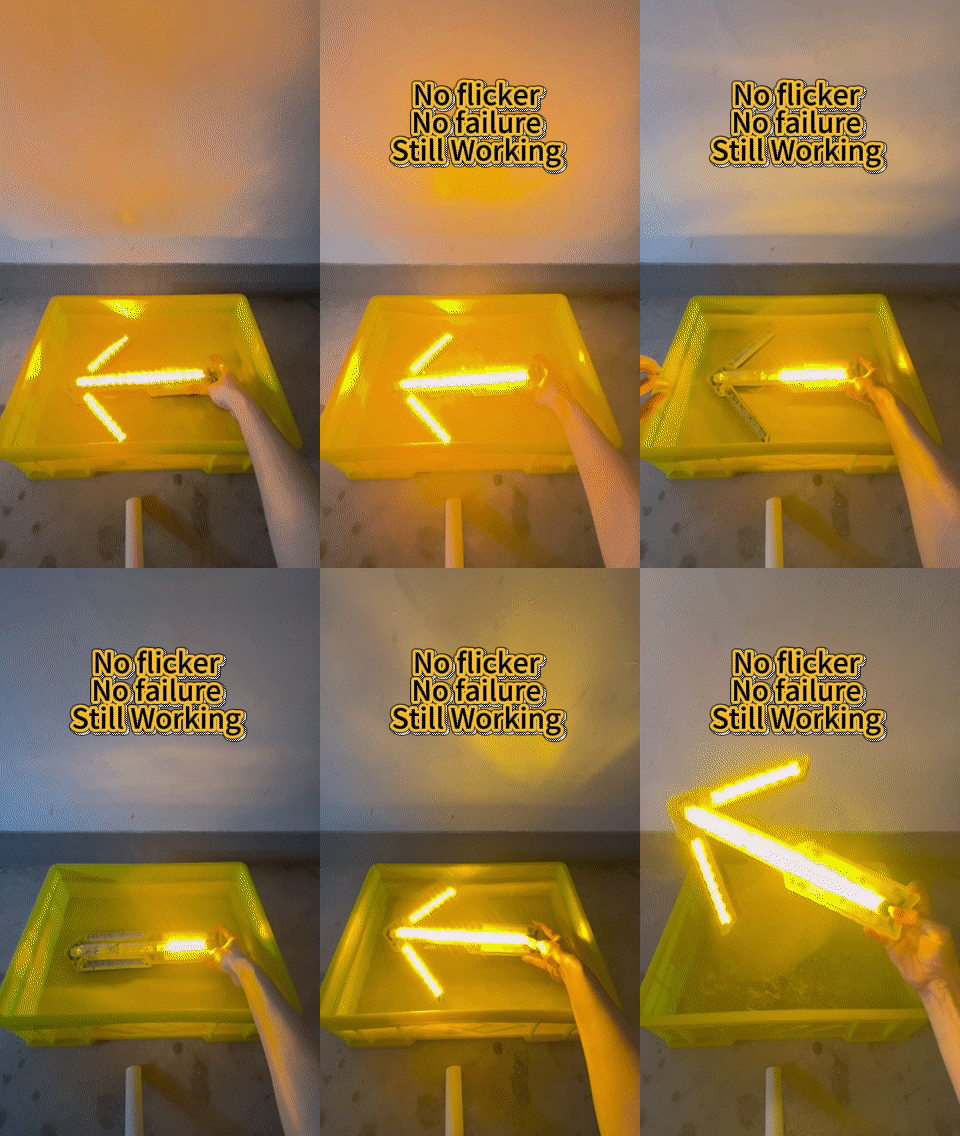
When helping a distributor evaluate suppliers, we emphasize verifiable durability standards. Not marketing claims. Actual test results. Here's what matters:
Impact Resistance
Emergency scenes are chaotic. Equipment gets bumped, dropped, and knocked over. The housing needs to survive this. Look for:
- Drop test ratings (minimum 1 meter)
- Vehicle vibration testing
- Reinforced mounting points
- Protected control interfaces
- Shatterproof lenses
I had a client who chose lights based on appearance. They looked professional. They felt lightweight. Six months later, half the units had cracked housings. The lightweight design used thin plastic. It couldn't handle field conditions. They saved 15% on purchase price. They spent 200% more on replacements.
Water and Dust Resistance
IP ratings confuse many buyers. Here's the simple truth: IP65 should be your minimum for emergency scene use. This means complete dust protection and protection against water jets from any direction.
Why water jets and not just rain? Because fire hoses spray nearby. Because vehicles kick up water. Because lights get dropped in puddles. IP ratings below IP65 will fail in real conditions.
Temperature Cycling
Temperature cycling breaks equipment. A light sitting in a vehicle trunk experiences temperature swings from -20°C to +60°C depending on season and sun exposure. The electronics, housing, and seals all expand and contract. Poor designs fail at the seals first. Water gets in. Corrosion follows. The light dies.
Mounting System Durability
The mounting system fails before the light itself in most cases. Clamps loosen. Magnets detach. Suction cups fall off. The best light in the world is useless if it can't stay where you put it.
A procurement manager once told me his previous lights had excellent reviews online. Six months into use, the magnetic bases kept falling off. The magnets were strong initially but weakened with temperature cycling. The manufacturer never tested this. The end users discovered it the hard way.
How Should a Responsible Supplier Support Your Purchasing Decision?
A supplier who just wants your order will tell you their product is perfect for everything. A responsible supplier will ask uncomfortable questions about your actual needs.
A responsible supplier supports purchasing decisions by providing application-specific guidance, transparent specification documentation, realistic performance expectations, and consultative expertise that helps buyers understand trade-offs rather than making unsupported superiority claims.
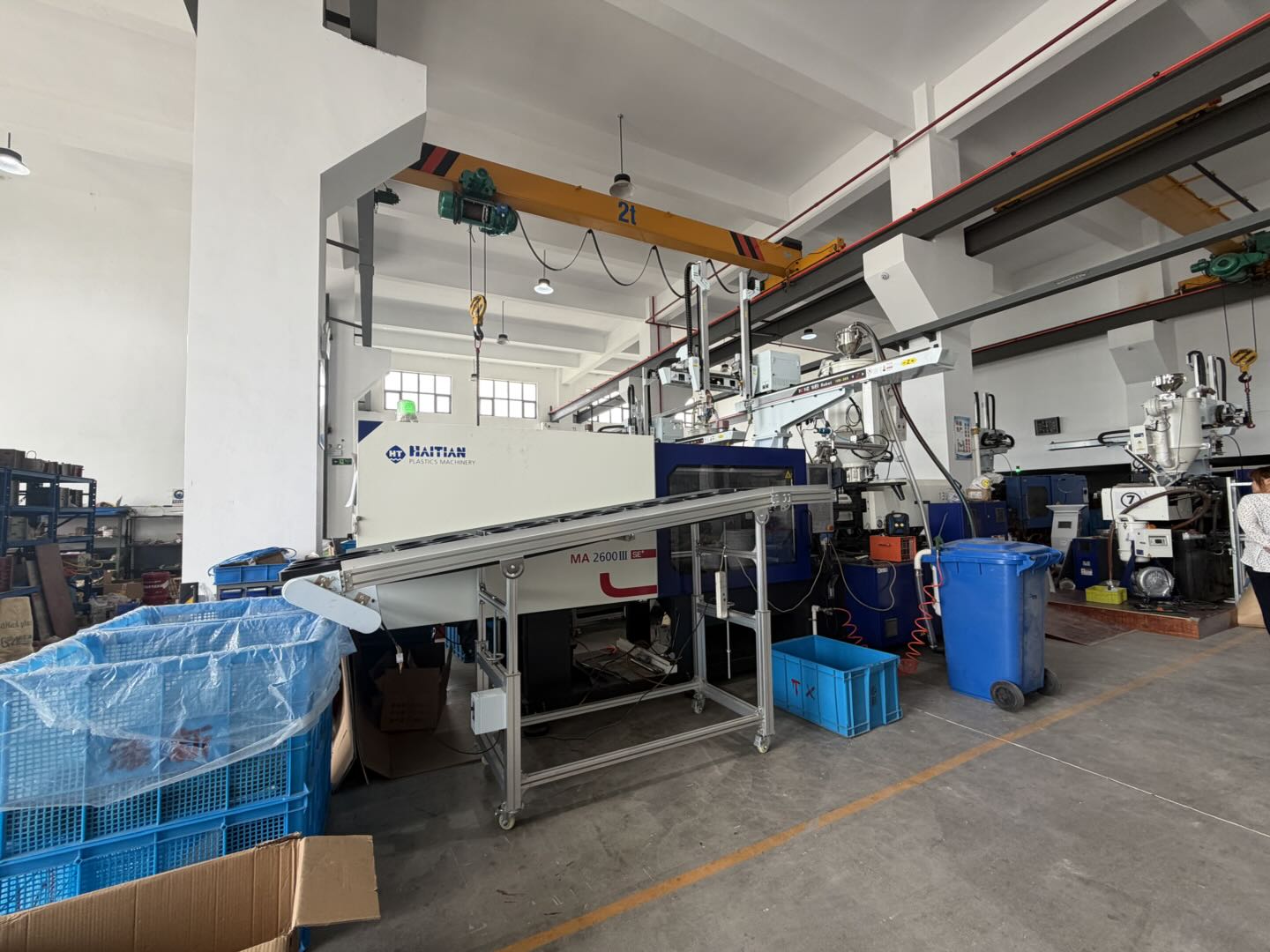
Here are the questions a good supplier asks before recommending a product:
Application Questions
- What types of emergency scenes will these lights serve most often?
- What are your typical operation durations?
- What are your most extreme weather conditions?
- What mounting surfaces will be used (vehicle roofs, pavement, magnetic)?
- Will the same personnel use these lights repeatedly or do you need intuitive operation for varied users?
These questions tell you the supplier wants to match product to need. If a supplier doesn't ask these questions, they're guessing what you need.
Specification Transparency
Good suppliers provide full technical documentation. This includes:
- Complete IP rating information (both numbers, not just marketing terms)
- Runtime data at different brightness settings and temperatures
- Actual beam pattern diagrams
- Spectral data for LED wavelengths
- Drop test results
- Weight specifications including batteries
We've seen specifications that list "super bright" without lumens data. Or "long runtime" without hours. Or "waterproof" without IP ratings. These are red flags. If a supplier won't provide measurable data, they're hiding something.
Honest Limitations
Every product has limitations. A trustworthy supplier tells you what their product cannot do. They explain trade-offs. For example:
- "This light excels in highway scenarios but may be too bright for urban residential areas without the lower power setting."
- "The extended battery life comes with additional weight, which affects one-person deployment."
- "This mounting system works perfectly on flat surfaces but struggles on curved vehicle roofs."
These honest statements build trust. They show the supplier understands real-world use.
After-Sale Support Structure
Ask these questions before purchasing:
- What is the warranty period and what does it actually cover?
- How are warranty claims processed?
- What is the typical response time for technical questions?
- Are replacement parts available and at what cost?
- Do you provide training resources for end-users?
A distributor once told me about a supplier who disappeared after the sale. When units failed, nobody answered emails. The warranty was worthless. The distributor's reputation suffered with their clients. The cheap price became very expensive.
What Are the Hidden Costs of Choosing the Wrong Arrow Light?
The purchase price is obvious. The hidden costs reveal themselves later. Sometimes much later. These costs often exceed the initial savings from choosing a cheaper option.
Hidden costs of incorrect arrow light selection include premature replacement, increased maintenance, operational failures during critical incidents, potential liability from inadequate scene protection, and reputational damage with end-user clients that affects future business.
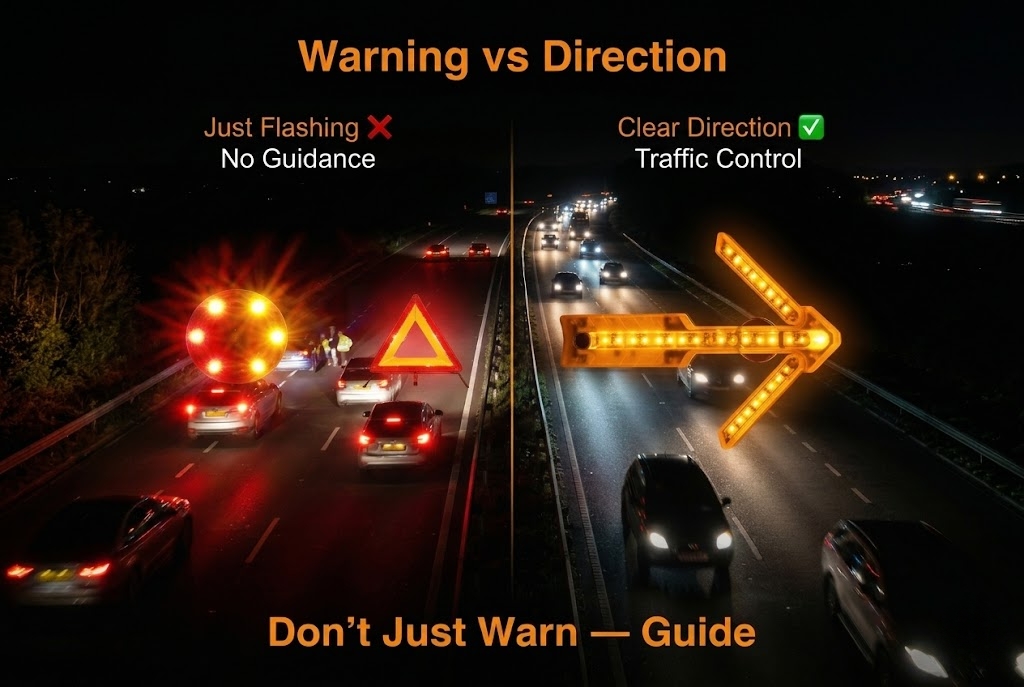
Let me walk through the actual cost categories buyers miss:
Replacement Cycle Costs
A cheap light might last one year. A quality light might last five years. The math seems simple. But it's more complex:
- Purchasing department time for each order cycle
- Receiving and inspection costs
- Training time for new models if suppliers change
- Disposal costs for failed units
- Lost volume discounts from frequent supplier switching
A procurement manager calculated his department spent more time managing purchases of cheap lights than the lights cost. The administrative overhead exceeded the product cost savings.
Operational Failure Risks
The biggest hidden cost is the cost of failure. When a light fails during an emergency:
- Personnel are exposed to unnecessary risk
- The incident takes longer to resolve
- Your client's reputation suffers
- Your reputation as a supplier suffers
- Potential liability if the failure contributes to an injury
Nobody budgets for these costs. But they're real. I know a distributor who lost a major client after several light failures at critical moments. The client didn't just switch suppliers. They told other departments in their agency. The distributor lost multiple contracts.
Maintenance and Support Burden
Cheap lights often require more maintenance:
- More frequent battery replacements
- More broken housings requiring repair
- More time spent on warranty claims
- More technical support calls from end-users
Your procurement decision affects your support team's workload. High-maintenance equipment creates hidden labor costs that never appear in the purchase order.
Inventory and Logistics Complexity
When you buy multiple products from multiple suppliers to cover different needs, you create inventory complexity:
- Multiple part numbers to track
- Multiple warranty processes
- Multiple points of contact for support
- Training complexity for end-users
- Higher minimum order quantities split across suppliers
Sometimes paying more for a versatile product line from one reliable supplier saves money on the operations side.
Conclusion
The right portable arrow light protects lives by giving first responders reliable tools for scene management. Your purchasing decision affects people you'll never meet, at incidents you'll never see, in conditions you can't predict. Choose based on operational reality, not just technical specifications or unit price.
Sourcing LED warning equipment for emergency fleets? Our LED Road Flare Buyer's Guide covers government compliance, ECE R65, and OEM requirements.
Related News