Road Flare Deployment SOP for Fleet Managers: What Should It Include?
A road flare deployment SOP often fails because the document says "place three flares" but does not explain where, when, or why. That gap becomes especially serious during rain, darkness, sharp curves, or high-speed roadside breakdowns. An effective SOP should connect warning device deployment with traffic speed, sight distance, vehicle type, environmental conditions, and driver safety.
A well-designed road flare deployment SOP should define:
- Who is responsible for deploying the warning devices
- Where warning devices should be placed
- Which warning device should be used
- How long the warning should remain active
- When the driver should retreat to a safe location
- How equipment should be inspected after use
Fleet managers should also verify local DOT, OSHA, company safety policies, and insurance requirements before implementing any roadside emergency procedure.

The most common mistake is starting with "How many road flares should each vehicle carry?" Instead, fleet safety planning should begin with risk assessment. In our conversations with fleet buyers, the highest-risk situations typically involve long-haul trucks, utility vehicles, tow trucks, and roadside service vehicles operating near moving traffic during the first few minutes after a breakdown.
Roadside emergencies are dynamic. Traffic conditions, weather, road geometry, and driver visibility can change rapidly. A standardized deployment SOP helps reduce uncertainty and ensures every driver follows the same safe procedure.
Why Does Every Fleet Need a Standard Road Flare Deployment SOP?
Without a standardized deployment procedure, different drivers often respond differently to the same roadside emergency. Some may deploy warning devices too close to the vehicle, while others may spend unnecessary time walking in active traffic lanes. These inconsistencies increase the risk of secondary collisions and reduce the effectiveness of roadside warning systems.
A documented SOP provides several operational benefits:
- Consistent roadside safety procedures across the fleet
- Faster warning device deployment
- Reduced driver exposure to moving traffic
- Easier safety training for new employees
- Better compliance with internal safety management systems
- More standardized equipment purchasing requirements
For fleet managers, an SOP is not only a safety document—it is also a procurement guideline that defines the minimum performance requirements for roadside warning equipment.
How Should a Road Flare Deployment SOP Define Placement?
A road flare deployment SOP should define placement based on road speed, traffic flow, and available sight distance, rather than specifying only the number of warning devices. A vehicle stopped on a residential street requires a different warning pattern than one disabled on a highway shoulder.
The SOP should instruct drivers to create an advance warning zone behind the disabled vehicle, adjust spacing for curves, hills, rain, fog, and nighttime conditions, and minimize the time spent walking within traffic lanes.

Dive Deeper
Fleet managers often ask:
"Should each truck carry three road flares, six flares, or even more?"
A better question is:
"How much advance warning distance does approaching traffic need before reaching the disabled vehicle?"
Instead of focusing only on equipment quantity, fleet safety managers should evaluate the following variables:
| Variable | Why It Matters |
|---|---|
| Road speed | Higher speeds require longer advance warning distances. |
| Weather | Rain, fog, or snow significantly reduce driver visibility. |
| Road shape | Curves, hills, and intersections shorten reaction time. |
| Vehicle size | Larger commercial vehicles create bigger roadside hazards. |
| Driver position | Drivers should minimize exposure to moving traffic during deployment. |
| Time of day | Darkness requires increased warning visibility and longer detection distances. |
For example, a utility truck stopped on a city street may require only a compact warning pattern, while a tractor-trailer disabled on a highway shoulder may need a much longer warning zone, brighter warning devices, and extended operating time.
Most commercial vehicle regulations require approved warning devices, but exact deployment distances and procedures vary by jurisdiction. Fleet managers should always verify their SOP against applicable federal, state, local, and company safety requirements.
Common Mistakes When Defining Warning Device Placement
Many roadside emergency procedures focus on the equipment itself while overlooking deployment strategy. As a result, warning devices may technically meet company requirements but still fail to provide adequate protection during a real roadside incident.
Common mistakes include:
- Placing all warning devices too close to the vehicle.
- Ignoring curves, hills, or obstructed sight lines.
- Using identical deployment distances for urban streets and highways.
- Forgetting to account for poor weather or nighttime visibility.
- Spending too much time positioning warning devices in active traffic lanes.
- Failing to define a safe retreat location for the driver after deployment.
An effective SOP reduces decision-making under pressure. Every driver should understand exactly what to do before leaving the vehicle, during deployment, and after the warning zone has been established.
Related Reading
Understanding placement principles is only one part of roadside safety. If your fleet is also looking to reduce deployment time during roadside emergencies, you may find this guide helpful:
How to Deploy Road Flares Under 10 Seconds
https://www.superflare.net/how-to-deploy-road-flares-under-10-seconds-n.html
This article explains practical deployment techniques that help drivers establish a visible warning zone more efficiently while minimizing exposure to traffic.
Should a Road Flare Deployment SOP Use LED or Pyrotechnic Flares?
A road flare deployment SOP can include LED road flares, pyrotechnic flares, or a combination of both. However, each warning device has different deployment characteristics, maintenance requirements, and operational advantages.
Traditional pyrotechnic flares produce an extremely bright burning signal that is effective in many emergency situations but is limited by burn time and single-use operation. Rechargeable LED road flares, on the other hand, provide reusable warning capability, multiple flash patterns, and significantly longer operating time, making them increasingly popular among fleet operators and roadside assistance providers.
The best choice depends on your fleet's operating environment, company safety policy, local regulations, and maintenance capability.

Dive Deeper
Fleet managers should evaluate warning devices based on operational requirements instead of simply choosing the brightest product available.
Pyrotechnic road flares have several characteristics:
- Extremely bright burning light
- Single-use operation
- Produce heat and smoke
- Limited operating duration
- May be restricted in tunnels, forests, fuel facilities, or hazardous environments
Rechargeable LED road flares provide different advantages:
- Reusable for hundreds of deployments
- Multiple flash patterns for different traffic situations
- Long operating runtime
- No open flame
- Easier storage inside fleet vehicles
- Lower long-term replacement cost
- Suitable for regular inspection and preventive maintenance
For fleets operating dozens or hundreds of vehicles, rechargeable warning devices often simplify inventory management because batteries can be inspected during scheduled vehicle maintenance rather than replacing expired pyrotechnic flares.
LED Road Flares vs Pyrotechnic Road Flares
| Feature | Rechargeable LED Road Flares | Pyrotechnic Road Flares |
|---|---|---|
| Reusable | ✔ Yes | ✘ No |
| Runtime | Several hours | Limited burn time |
| Maintenance | Battery inspection | Replace after every use |
| Heat Generation | None | High |
| Multiple Flash Modes | ✔ Yes | ✘ No |
| Environmental Impact | Lower | Higher |
| Fleet Cost Over Time | Lower | Higher |
| Suitable for Fleet Programs | Excellent | Depends on local regulations |
Rather than asking which product is "better," fleet managers should ask which solution best supports their roadside emergency procedures and long-term maintenance program.
What Specifications Should Fleet Buyers Evaluate?
When purchasing roadside warning equipment, procurement teams should focus on operational performance, not simply product price.
Important specifications include:
| Specification | Why It Matters |
|---|---|
| 360° Visibility | Improves visibility from multiple traffic directions. |
| Flash Pattern | Helps attract driver attention in different road environments. |
| Runtime | Supports extended roadside incidents while waiting for recovery vehicles. |
| Waterproof Rating | Maintains performance in rain, snow, and wet conditions. |
| Magnetic Base | Allows quick attachment to vehicle body panels. |
| Crush Resistance | Improves durability during roadside use. |
| Battery Performance | Ensures reliable operation during winter conditions. |
| Charging Method | Rechargeable Type-C charging simplifies fleet maintenance. |
Although lumen output is important, visibility in real roadside conditions depends on flash pattern, viewing angle, weather resistance, and deployment position just as much as brightness.
In discussions with fleet purchasing teams, questions most often focus on runtime, waterproof construction, deployment speed, charging convenience, and long-term reliability rather than maximum brightness.
Recommended Rechargeable Warning Equipment for Fleet Operations
Selecting the right warning device is an important part of implementing a practical roadside emergency SOP. Procurement decisions should consider deployment efficiency, maintenance requirements, and total operating cost throughout the product lifecycle.
For fleets that require reusable warning devices with synchronized flashing and rapid roadside deployment, the following solution is well suited for commercial vehicles, towing companies, municipal fleets, and utility service providers.
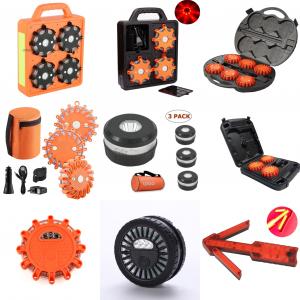
6-Pack Rechargeable Sequential LED Road Flares
Recommended for:
- Fleet safety vehicles
- Commercial trucking
- Roadside assistance companies
- Municipal maintenance fleets
- Utility service vehicles
Key benefits include:
- Sequential synchronized flashing
- Rechargeable battery design
- Long runtime for extended roadside incidents
- Weather-resistant construction
- Easy deployment and storage
- Suitable for repeated fleet use
Product Page
https://www.superflare.net/6pack-rechargeable-sequential-led-road-flares-truck-safety-p.html
Rather than replacing existing SOPs, rechargeable LED road flares can help fleets standardize warning device deployment while reducing replacement frequency and long-term operating costs.
Procurement Checklist for Fleet Managers
Before selecting warning equipment for your fleet, verify that the products meet the following operational requirements.
| Procurement Checklist | Status |
|---|---|
| Long runtime for roadside emergencies | ✓ |
| High visibility during day and night | ✓ |
| Rechargeable battery system | ✓ |
| Waterproof construction | ✓ |
| Multiple flash modes | ✓ |
| Easy storage inside fleet vehicles | ✓ |
| Low maintenance requirements | ✓ |
| Suitable for routine fleet inspections | ✓ |
Using a standardized purchasing checklist allows procurement teams to compare suppliers using operational criteria rather than price alone. It also makes future product evaluations more consistent across different vehicle types and operating regions.
How Should Fleet Managers Maintain Road Flare Equipment?
Creating a deployment SOP is only the first step. To ensure roadside warning devices perform reliably during emergencies, fleet managers should establish a routine inspection and maintenance program.
Unlike disposable pyrotechnic flares, rechargeable LED warning devices require periodic battery checks and functional testing. Incorporating these inspections into scheduled vehicle maintenance helps ensure equipment is always ready for deployment.
A practical maintenance program should include:
- Verify battery charge status.
- Test all flash patterns and operating modes.
- Inspect housings for cracks or water damage.
- Clean magnetic bases and mounting surfaces.
- Confirm charging cables and accessories are present.
- Replace damaged or non-functioning units immediately.
- Record inspection dates as part of the fleet maintenance log.
Routine inspections reduce equipment failure during roadside emergencies while extending product service life.
Choosing the Right Warning Solution for Different Fleet Applications
Different industries face different roadside hazards, so one warning device may not fit every application.
| Fleet Type | Recommended Warning Solution |
|---|---|
| Commercial Trucking | Sequential LED Road Flares |
| Roadside Assistance | Sequential LED Road Flares + Work Lights |
| Municipal Maintenance | Traffic Cone Ring Lights |
| Utility Service Vehicles | Traffic Cone Ring Lights + LED Road Flares |
| Highway Construction | Traffic Cone Ring Lights |
| Airport & Industrial Facilities | Cone Lights for Traffic Management |
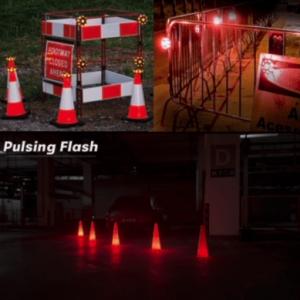
For fleets that regularly deploy traffic cones, illuminated cone-mounted warning systems improve visibility while keeping deployment simple and organized.
One example is our rechargeable cone lighting solution designed for construction zones, municipal maintenance, utility contractors, airports, and temporary traffic management.
Recommended Product
Rechargeable Traffic Cone Ring Light (8-Pack)
Key advantages include:
- Designed specifically for standard traffic cones
- Highly visible 360° warning illumination
- Rechargeable battery system
- Suitable for repeated daily deployment
- Quick installation without tools
- Ideal for highway maintenance and work zones
Product Page:
https://www.superflare.net/rechargeable-traffic-cone-ring-light-8pack-p.html
Additional Roadside Safety Resources
Developing a comprehensive roadside safety program involves more than selecting warning equipment. These additional guides may also help improve fleet safety procedures.
Highway Warning Light Placement Guide
This article explains how warning light placement should vary depending on highway speed, traffic conditions, and roadside environment.
https://www.superflare.net/highway-warning-light-placement-guide-n.html
Together with this deployment SOP, these resources provide a more complete understanding of roadside warning strategies and fleet safety planning.
Frequently Asked Questions
How many road flares should each fleet vehicle carry?
The required number depends on vehicle type, operating environment, local regulations, and company safety policies. Instead of focusing only on quantity, fleet managers should prioritize warning distance, visibility, and deployment procedures.
Are rechargeable LED road flares suitable for commercial fleets?
Many commercial fleets are adopting rechargeable LED warning devices because they provide reusable operation, long runtime, and simplified maintenance. However, companies should always verify local regulations and internal safety requirements before replacing pyrotechnic flares.
What specifications matter most when purchasing fleet warning equipment?
Fleet buyers should evaluate visibility, runtime, waterproof performance, charging method, durability, flash patterns, deployment speed, and maintenance requirements instead of considering purchase price alone.
Why is placement distance more important than the number of warning devices?
Proper placement creates an effective advance warning zone for approaching traffic. Even multiple warning devices cannot provide adequate protection if they are positioned too close to the disabled vehicle.
How often should rechargeable LED warning lights be inspected?
Rechargeable warning lights should be inspected during routine fleet maintenance. Battery charge level, flash operation, housing condition, and charging accessories should all be verified before vehicles return to service.
Can LED road flares be used in bad weather?
Most professional LED road flares are designed for outdoor use and can operate during rain, snow, and other adverse weather conditions. Fleet buyers should compare waterproof ratings and operating specifications before purchasing.
Should fleet SOPs include equipment inspection procedures?
Yes. A deployment SOP should clearly define inspection frequency, battery maintenance, storage requirements, replacement criteria, and responsibility for equipment readiness.
What industries benefit most from rechargeable roadside warning equipment?
Rechargeable warning devices are widely used by commercial trucking companies, towing services, municipal fleets, utility contractors, highway maintenance crews, construction companies, airports, and emergency response organizations.
Conclusion
A well-designed Road Flare Deployment SOP should do far more than specify how many warning devices each vehicle carries. It should provide clear guidance on deployment responsibility, warning distance, equipment selection, inspection procedures, driver safety, and procurement standards.
By standardizing roadside emergency procedures, fleet managers can reduce driver exposure, improve operational consistency, simplify equipment purchasing, and strengthen overall fleet safety performance.
Whether your organization manages commercial trucks, municipal vehicles, utility fleets, towing services, or roadside assistance operations, selecting reliable and reusable warning equipment is an important part of building an effective roadside safety program.
At Superflare, we work with B2B customers worldwide by providing rechargeable LED warning lights, traffic cone lighting systems, and customized roadside safety solutions. We support OEM and ODM projects, low-MOQ manufacturing, and private-label programs to help distributors, wholesalers, and fleet equipment suppliers develop products that match their market requirements.
If you're planning a new fleet safety program or sourcing roadside warning equipment, our team is ready to help you identify solutions that fit your operational and procurement needs.
Related News