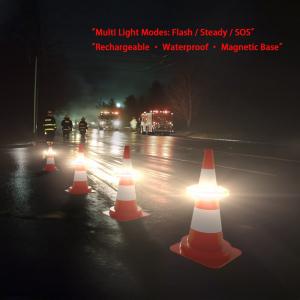
How Secondary Crash Risk Is Reshaping Roadside Warning Equipment Procurement
How Secondary Crashes Are Driving Scenario-Based Roadside Warning Equipment Selection
I work with buyers sourcing roadside warning products for fleets, roadside assistance teams, towing operators, utility contractors, and emergency response projects. In most discussions, the starting point is usually very similar.
Questions like:
“How bright is it?”
“Is it Class 1?”
“What certifications does it have?”
These are valid questions, but in real roadside operations, secondary crash risk is rarely solved by specifications alone.What actually matters is whether approaching drivers can recognize the scene in time.A stopped vehicle becomes part of the traffic flow.Someone steps out to handle the situation.Traffic begins to slow down.And in many cases, the next driver does not react early enough.That is where secondary crashes happen.
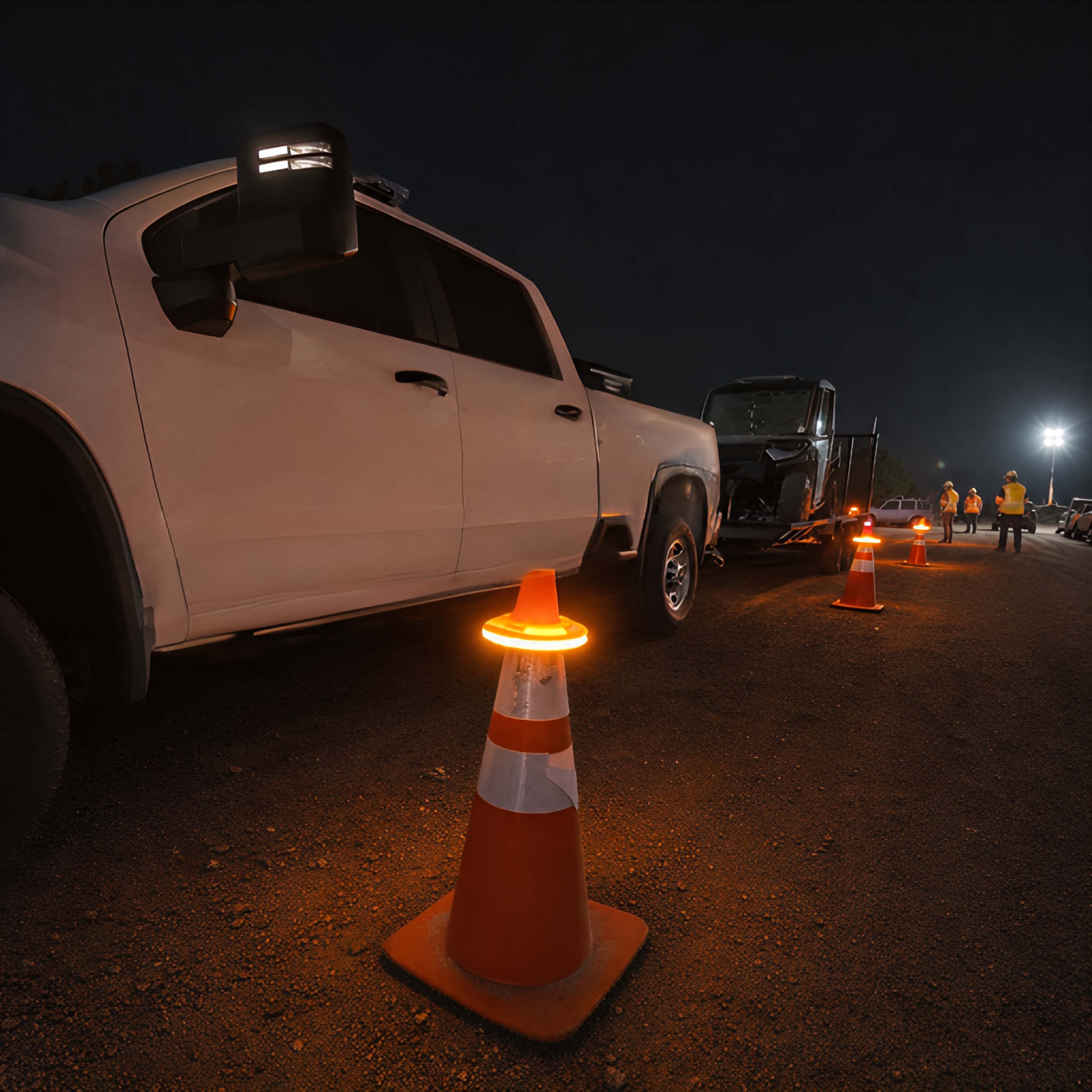
Typical buyers involved in these projects include fleet operators, roadside assistance providers, towing and recovery services, utility contractors, emergency response teams, and traffic safety distributors.
Why Do Secondary Crashes Happen?
Secondary crashes usually do not happen at the moment of the first impact.They happen a few seconds or minutes later, when the situation is already changing but still not clearly visible to approaching traffic.
From what I see in real sourcing and field feedback, the most common factors are:
- Nighttime visibility is not strong enough to define the scene early
- Stopped vehicles are not detected at sufficient distance
- Responders are working outside the vehicle without enough personal visibility
- Temporary work areas are not clearly marked
- Drivers are distracted or react too late
In most cases, it follows a simple pattern: Primary incident → Traffic disruption → Reduced recognition → Late reaction → Secondary collision
This is why procurement discussions are gradually shifting.Instead of only asking what product to buy, more buyers are asking how the roadside scene will actually be seen by oncoming traffic.
Night Highway Breakdowns Require More Than Warning Lights
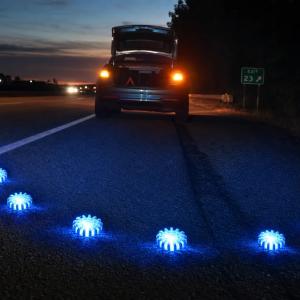
Night highway breakdowns are still one of the highest-risk situations in roadside operations.Traffic speed is high, and reaction time is very limited.When buyers source for these projects, brightness is usually the first requirement discussed. But in real use, brightness alone does not define safety. What matters is how the full scene is built. A typical setup usually includes multiple elements working together:
| Function | Equipment |
|---|---|
| Early warning | LED warning lights, portable beacons |
| Roadside marking | Reflective triangles |
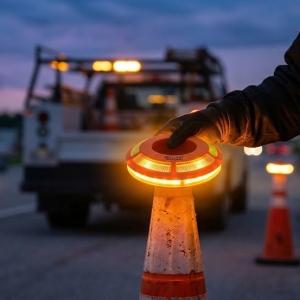
| Work area definition | Cones, LED cone lights |
| Personal visibility | High-visibility clothing, headlamps |
For highway projects, common requirements usually include:
- Visibility beyond 300 meters
- 360° coverage
- Runtime above 8 hours
- IP67 protection level
- Fast deployment in low-light conditions
In many fleet and utility projects, LED road flares and portable beacons are being used more often to replace traditional flares. The main reason is not performance alone, but safety handling and ease of deployment in real roadside conditions.
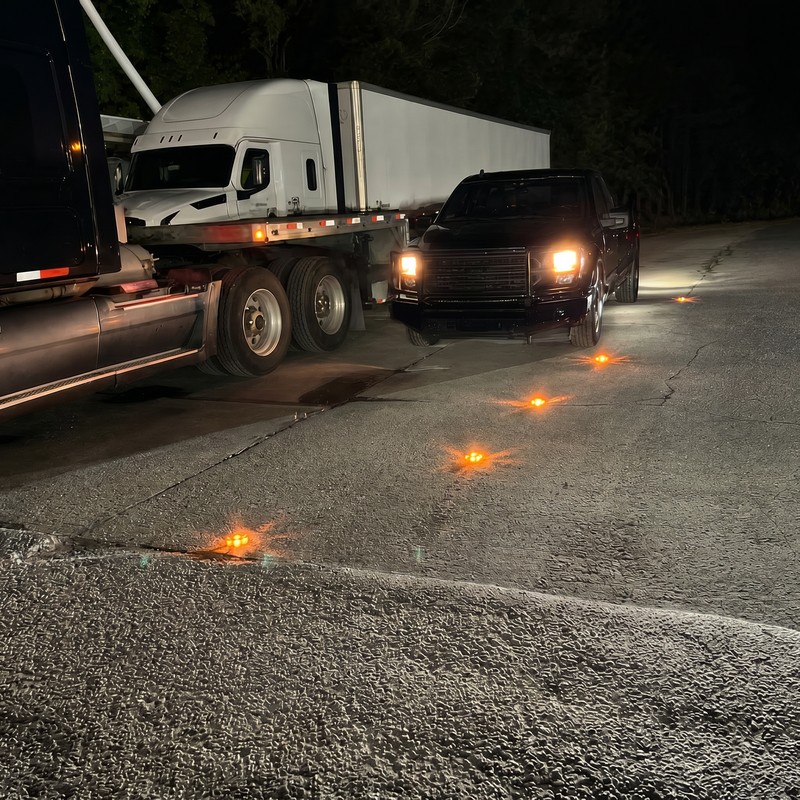
Short-Duration Incidents Often Expose People More Than Vehicles
In recovery and roadside assistance work, secondary crash risk is often related to people, not vehicles. Tow operators, maintenance staff, and emergency responders usually need to work directly on the roadside. In these situations, the focus shifts quickly from “making the vehicle visible” to “making the whole working area visible and understandable”. Most setups I see in practice follow a simple approach:
Make the vehicle visible first. Then define the working area.
Then ensure the people on site can be seen clearly.
A typical short-duration kit often includes:
| Equipment | Suggested Qty | Purpose |
|---|---|---|
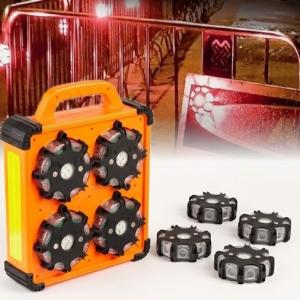
| Portable warning beacons | 4–6 | Vehicle + perimeter visibility |
| Reflective cones | 6–10 | Scene boundary |
| Headlamps | 2–4 | Hands-free operation |
| Traffic batons | 1–2 | Simple guidance |
| Reflective triangles | 3 | Basic roadside warning setup |
Compared with buying individual items, more buyers now prefer complete kits because setup speed and consistency matter more during real incidents. This is mainly driven by time pressure and the need to reduce complexity when every minute matters.
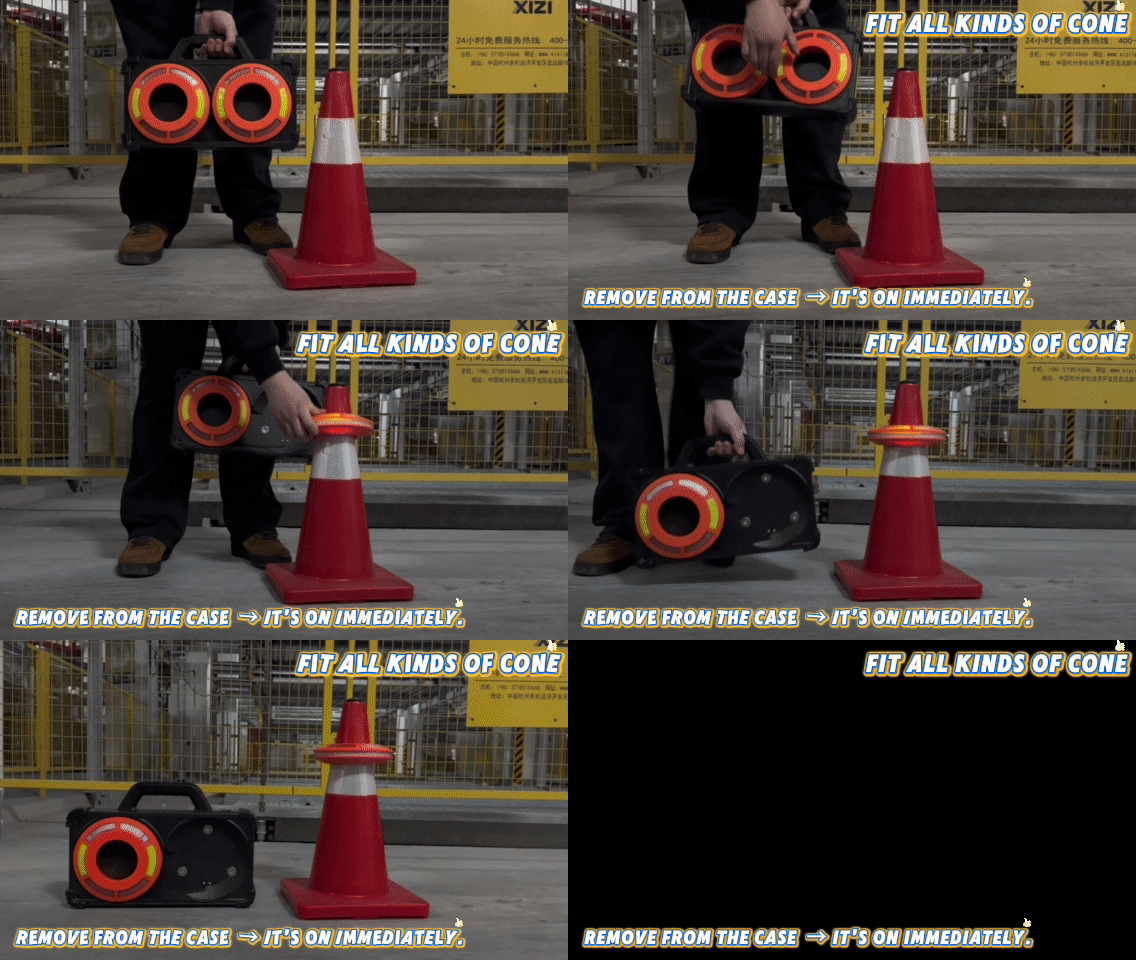
Daytime Work Zones Create Different Visibility Challenges
Daytime operations are often underestimated. Many assume warning devices are less important when there is enough sunlight. In practice, glare, traffic speed, and background brightness can make low-contrast devices hard to notice. For moving work zones, the requirement is less about adding more devices, and more about ensuring the scene is still clearly readable under strong light conditions.
Typical considerations include:
| Requirement | Target |
|---|---|
| Visibility output | High-intensity warning performance |
| Coverage | 360° visibility |
| Runtime | Full work shift |
| Mounting | Stable magnetic or fixed installation |
| Power supply | Vehicle power or long-duration battery |
Alongside warning lights, many buyers also include arrow systems, cones, and delineation equipment to guide traffic more clearly through the work zone. Over time, projects are shifting from individual product purchases to more complete roadside visibility setups.
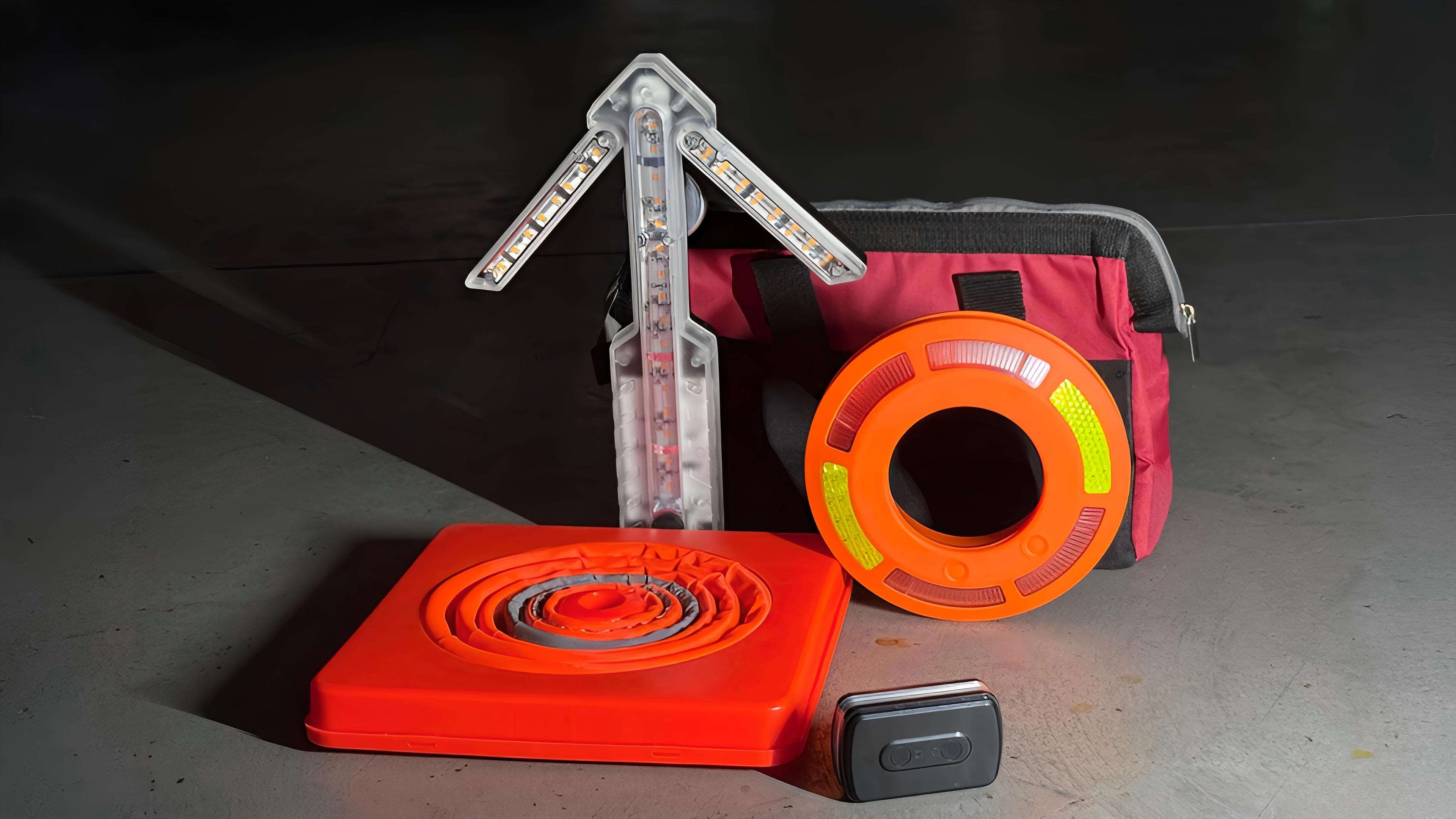
Typical Equipment Configuration for Secondary Crash Prevention
In real roadside projects, equipment is rarely used alone. It is usually combined based on function and situation.
| Function | Equipment |
|---|---|
| Advance warning | LED warning lights, portable beacons, reflective triangles |
| Scene marking | Cones, LED markers, delineators |
| Personnel visibility | High-visibility garments, headlamps |
| Traffic guidance | Traffic batons, arrow systems |
Different projects will combine these differently depending on road type, traffic speed, and response time requirements. This is also why more procurement decisions are now based on application scenarios rather than single product specifications.
Standards Buyers Commonly Refer To
Compliance is still part of most purchasing decisions, especially for fleet and government-related projects.
United States
Europe
Standards help define minimum requirements. But in practice, real effectiveness depends on whether the equipment fits the roadside scenario.
Conclusion
Secondary crashes continue to influence how roadside warning equipment is selected in real projects. Most buyers are not only evaluating brightness or certification. They are trying to understand whether the equipment will actually work in real roadside conditions, under pressure, and within limited response time.That is what is increasingly shaping purchasing decisions across roadside safety applications.
For procurement decisions based on safety requirements, see our Complete LED Road Flare Sourcing Guide covering compliance, specs, and buyer profiles.
Related News