Why Traffic Safety Is Moving from Single Lights to Complete Warning Systems
Why Traffic Safety Is Moving from Single Lights to Complete Warning Systems
——From Single Products to System-Level Safety Solutions
Search behavior on Google has been changing.
Instead of only searching for “LED warning light,” more buyers are now looking for:
-
traffic safety solutions
-
work zone safety equipment
-
roadside emergency lighting systems
-
traffic control warning lights
This reflects a fundamental shift in mindset.
Safety buyers are no longer asking which product is brighter — they are asking which solution reduces risk across the entire scene.
In real-world traffic operations, visibility, guidance, and human behavior are interconnected. That is why complete warning light sets are increasingly preferred over single, standalone products.
Why a Single Warning Light Often Fails in Real Applications
A single warning light can alert traffic — but it cannot manage a scene.
On roadside or work-zone sites, challenges usually include:
-
Vehicles approaching from multiple directions
-
Limited driver reaction time
-
Poor visibility caused by night, rain, or fog
-
Temporary setups that must be deployed quickly
Accidents often occur not because a light is missing, but because:
-
Personnel are not visible early enough
-
Work zones are poorly defined
-
Traffic guidance is unclear
Safety gaps appear between functions, not within a single product.
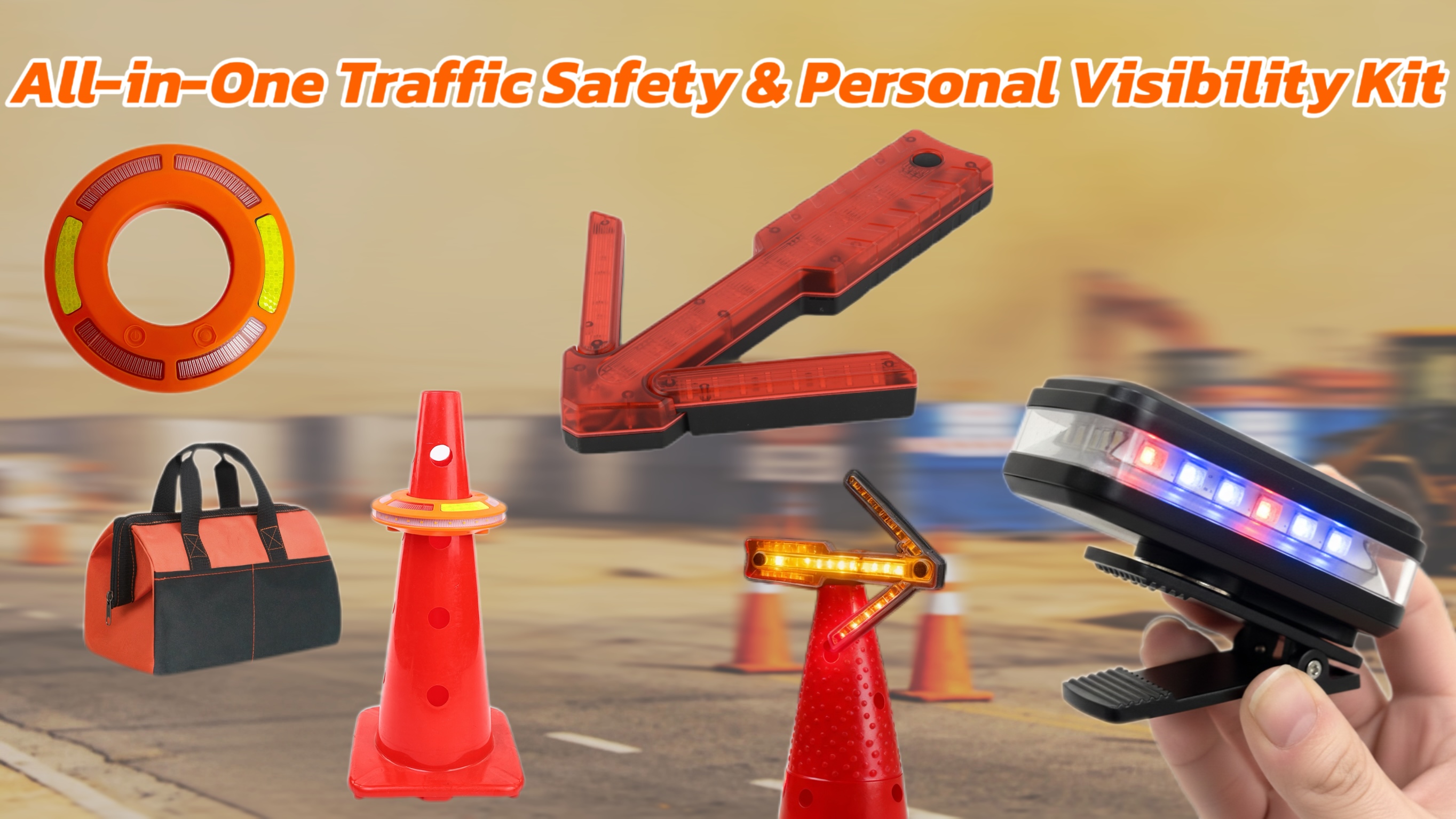
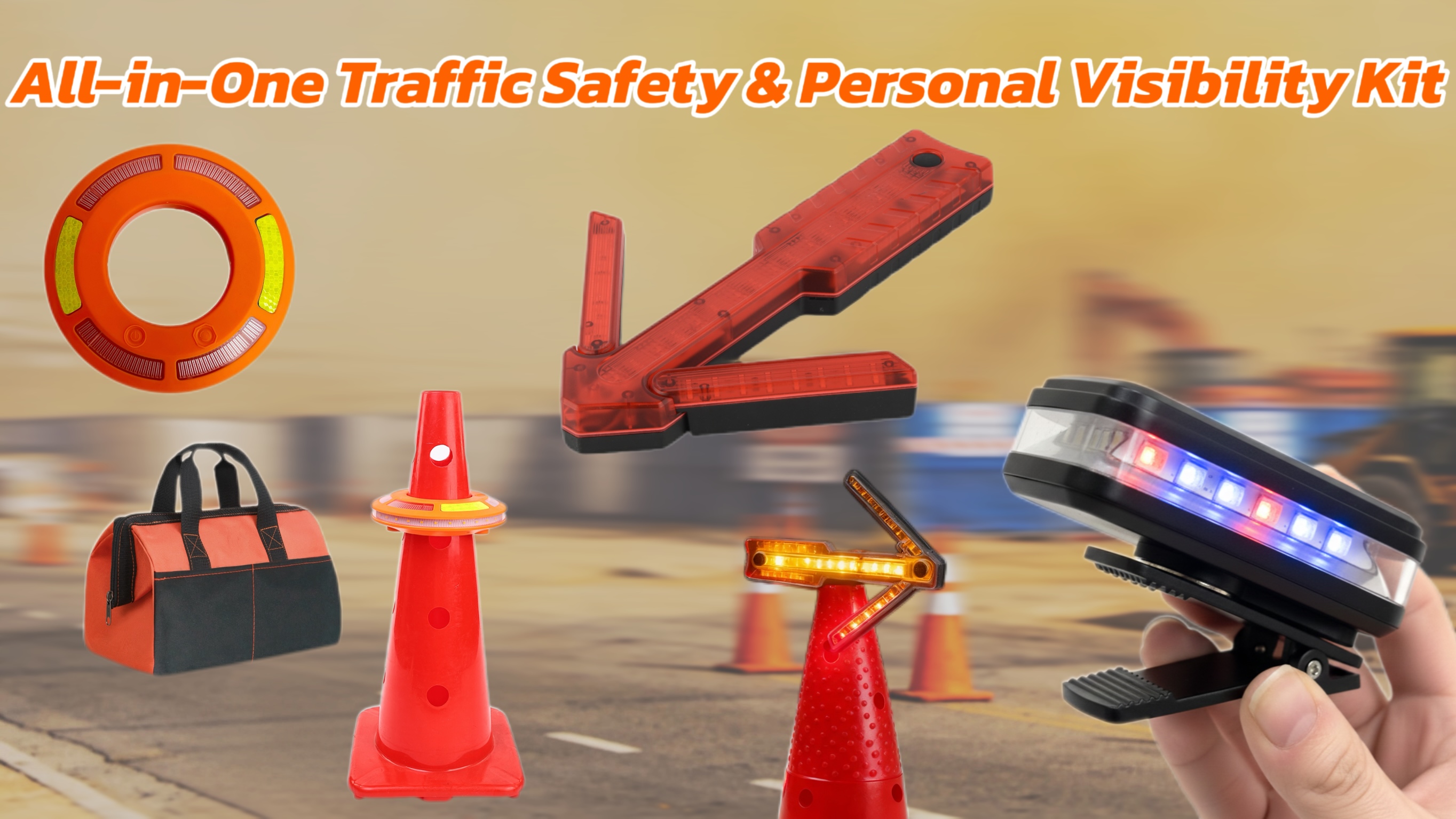
The All-in-One Traffic Safety & Personal Visibility Kit
To close these gaps, more professionals are choosing an integrated traffic safety lighting kit, designed to work as a system rather than isolated tools.
All-in-One Traffic Safety & Personal Visibility Kit
A complete solution covering:
-
Personal warning
-
Area protection
-
Traffic flow guidance
This system-based approach improves safety consistency and operational efficiency.
How the System Works on Site (Step-by-Step)
Step 1: Arrival on Site — Protect the Person First

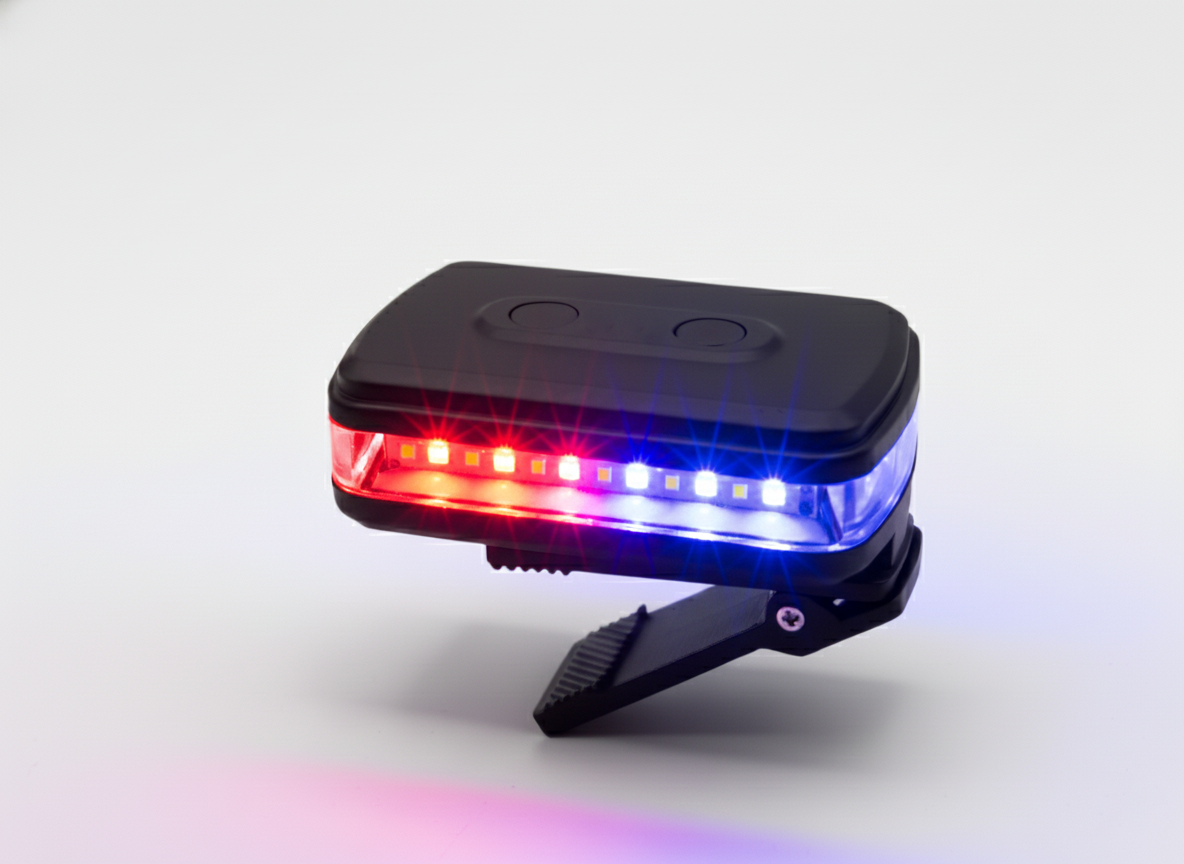
Shoulder Warning Light
The most dangerous moment is often the first few minutes on site.
A shoulder-mounted warning light:
-
Provides 360° visibility around the operator
-
Makes personnel recognizable before cones or signs are placed
-
Reduces the risk of being struck during setup
Before traffic is controlled, the operator must be visible.
Step 2: Fast Deployment — Define the Safety Zone
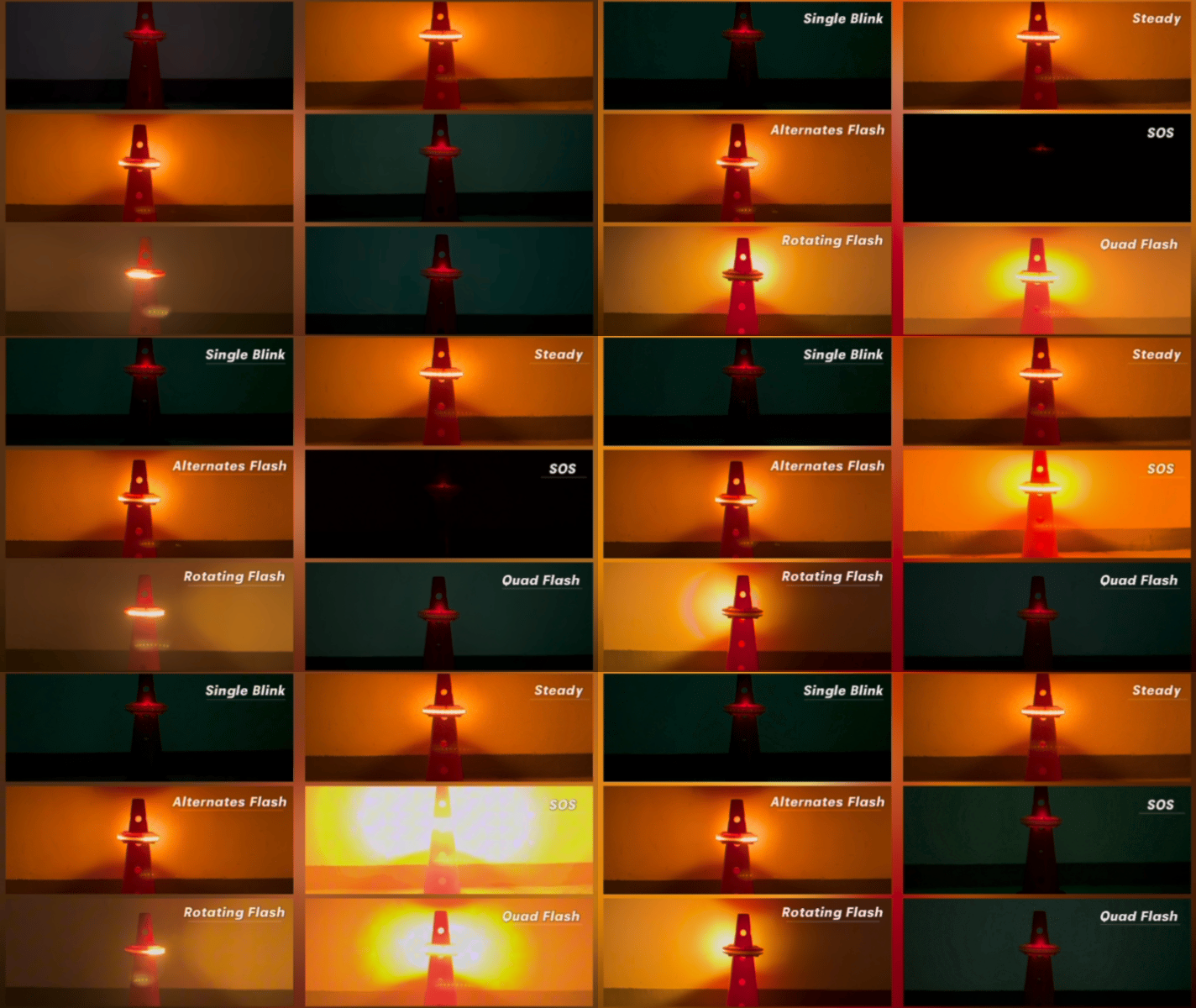
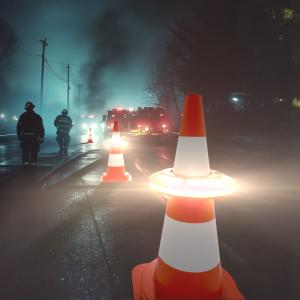
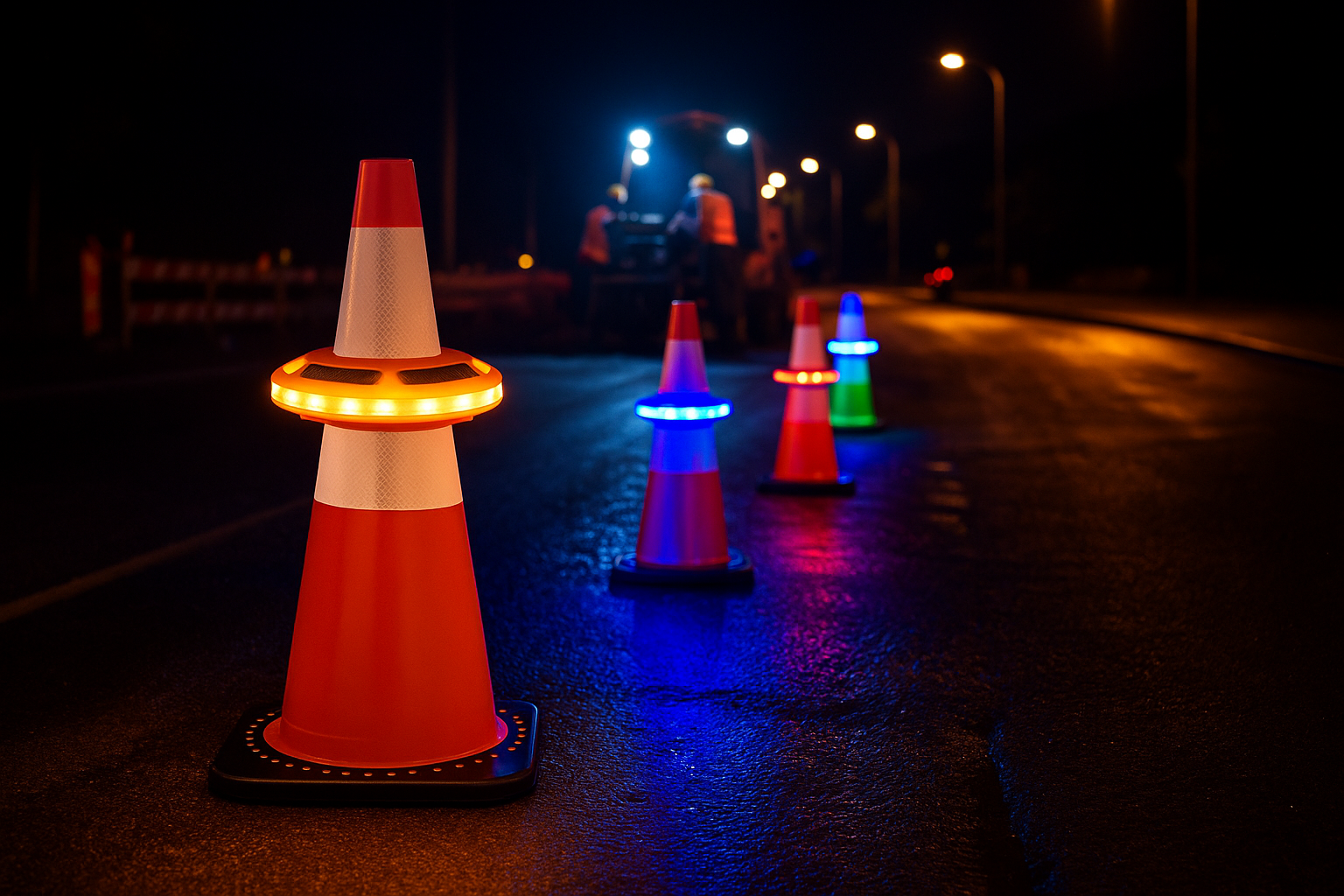
Cone Warning Light
Once personnel visibility is ensured, the next priority is to create structure.
Cone-mounted lights:
-
Instantly mark danger zones and work areas
-
Help drivers recognize lane closures and boundaries
-
Are ideal for accidents, temporary construction, and emergency maintenance
Clear visual boundaries reduce hesitation and unpredictable driver behavior.
Step 3: Clear Guidance — Control Traffic Flow
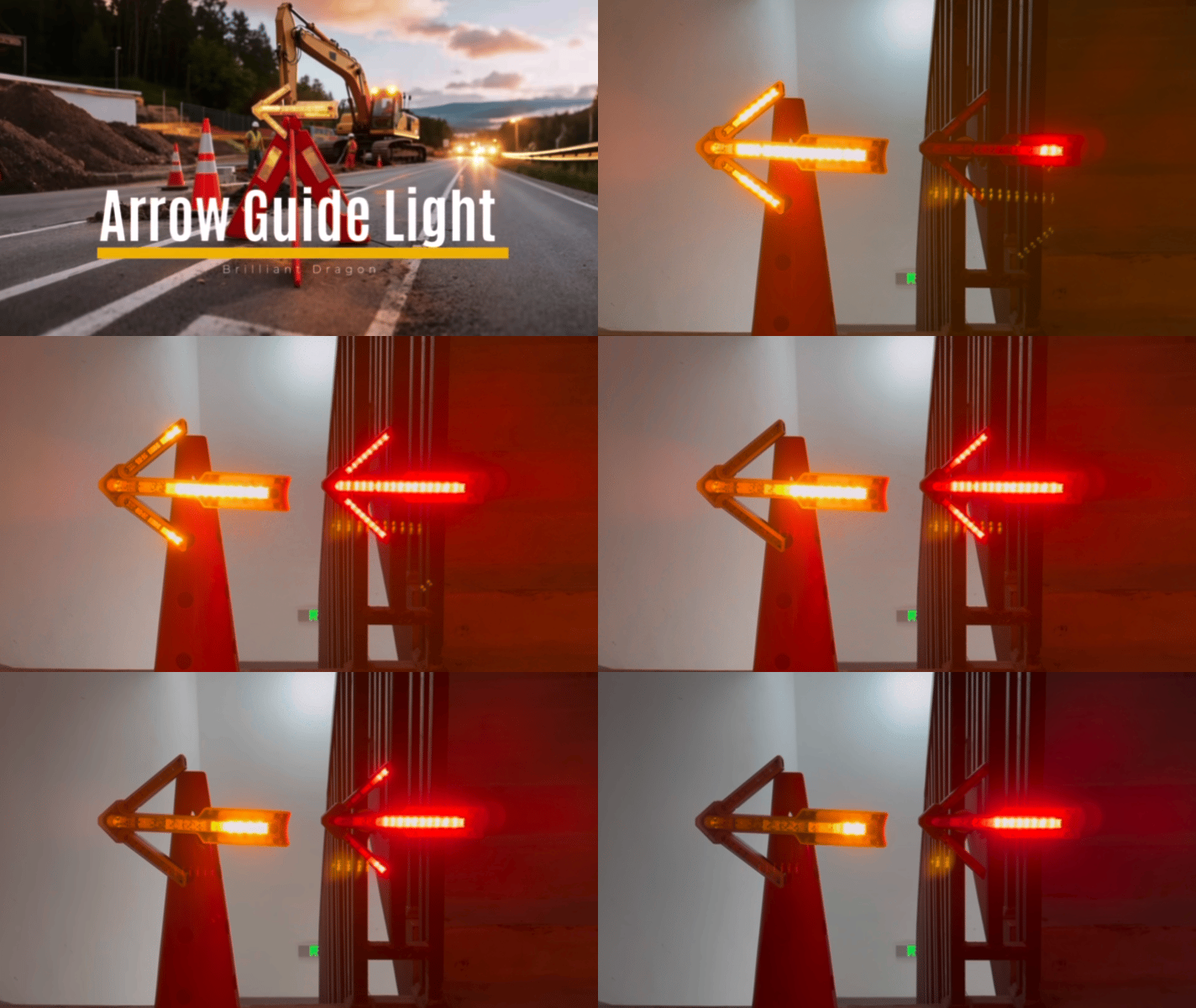
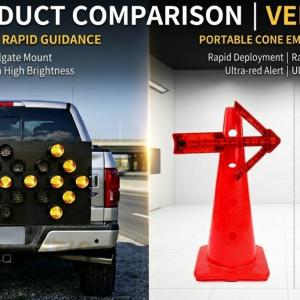
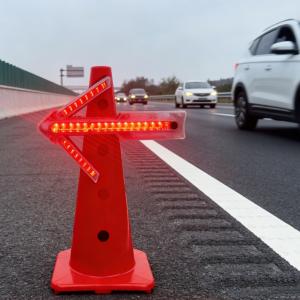
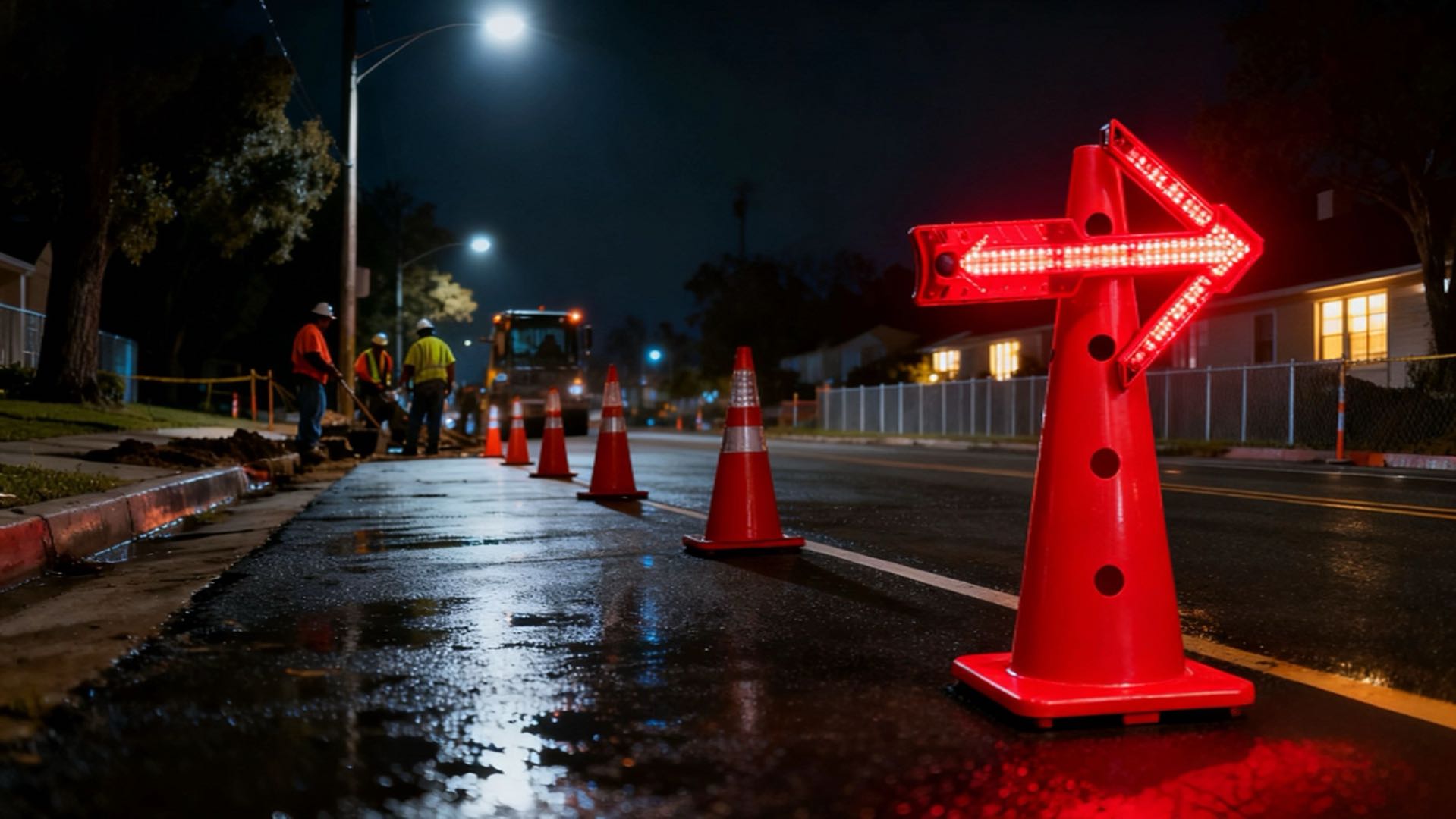
Arrow Warning Light
Warnings alone are not enough — drivers need instructions.
Arrow lights:
-
Clearly indicate left, right, or detour directions
-
Reduce driver decision time
-
Lower the risk of secondary collisions
Clear guidance is especially critical on highways, urban roads, and night operations.
One System, Three Safety Functions
This kit is designed as a coordinated system:
-
Shoulder Light: protects the person
-
Cone Light: protects the area
-
Arrow Light: controls traffic flow
Instead of relying on individual decisions under pressure, the system defines a repeatable safety process.
Why Buyers Prefer Complete Warning Light Sets
Market behavior and search intent show that buyers increasingly favor product sets because they:
Reduce Misuse and Setup Errors
Standardized combinations minimize incorrect placement or incomplete setups.
Improve On-Site Efficiency
Faster deployment means shorter exposure time and smoother operations.
Simplify Procurement and Inventory
One complete kit reduces the need to manage multiple SKUs.
Support Training and SOP Compliance
System-based tools align better with safety procedures and training programs.
Choosing a Solution, Not Just a Product
A single warning light can solve one problem.
A complete system reduces risk across the entire operation.
As traffic environments become more complex, safety equipment must evolve from individual products to integrated solutions.
In today’s market, the smarter choice is not a brighter light —
it is a better safety system.
Instantly mark danger zones and work areas
Help drivers recognize lane closures and boundaries
Are ideal for accidents, temporary construction, and emergency maintenance
Clearly indicate left, right, or detour directions
Reduce driver decision time
Lower the risk of secondary collisions
Shoulder Light: protects the person
Cone Light: protects the area
Arrow Light: controls traffic flow
A complete system reduces risk across the entire operation.
it is a better safety system.