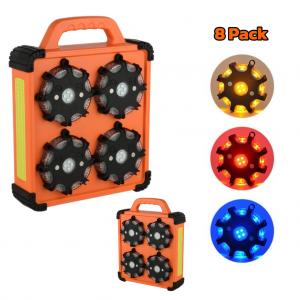
How to Build an Effective Traffic Safety System | LED & Sequential Warning Lights Guide
Why Traffic Safety Systems Are Critical
A well-designed traffic safety system does more than simply mark a hazard. It gives drivers enough time to notice what is happening ahead, understand the situation, and react safely.
When traffic control setups are poorly planned, drivers may respond too late. That delay can easily lead to accidents, especially in low-light conditions or busy road environments.
According to FHWA research, proper roadway lighting can reduce nighttime traffic accidents by about 30%. Other studies also show that crashes are much more likely to happen at night than during the day, largely because visibility drops and reaction time becomes slower.
That is why visibility is such an important part of any effective traffic safety system.

The Importance of High-Visibility Warning Lights
In road safety, visibility is often the first thing that determines whether a driver notices a hazard in time. When a warning light is easy to see, drivers usually react faster and with more confidence.
Research has shown that improved lighting conditions can reduce accident rates by around 30%, and nighttime accidents may be reduced by as much as 45% in some cases. On the other hand, when visibility is poor, driver reaction time tends to increase, which raises the risk of collisions.
For that reason, LED warning lights have become a key part of modern traffic safety systems. They help improve visibility in the situations where drivers need it most.
Advantages of LED and Sequential Warning Systems
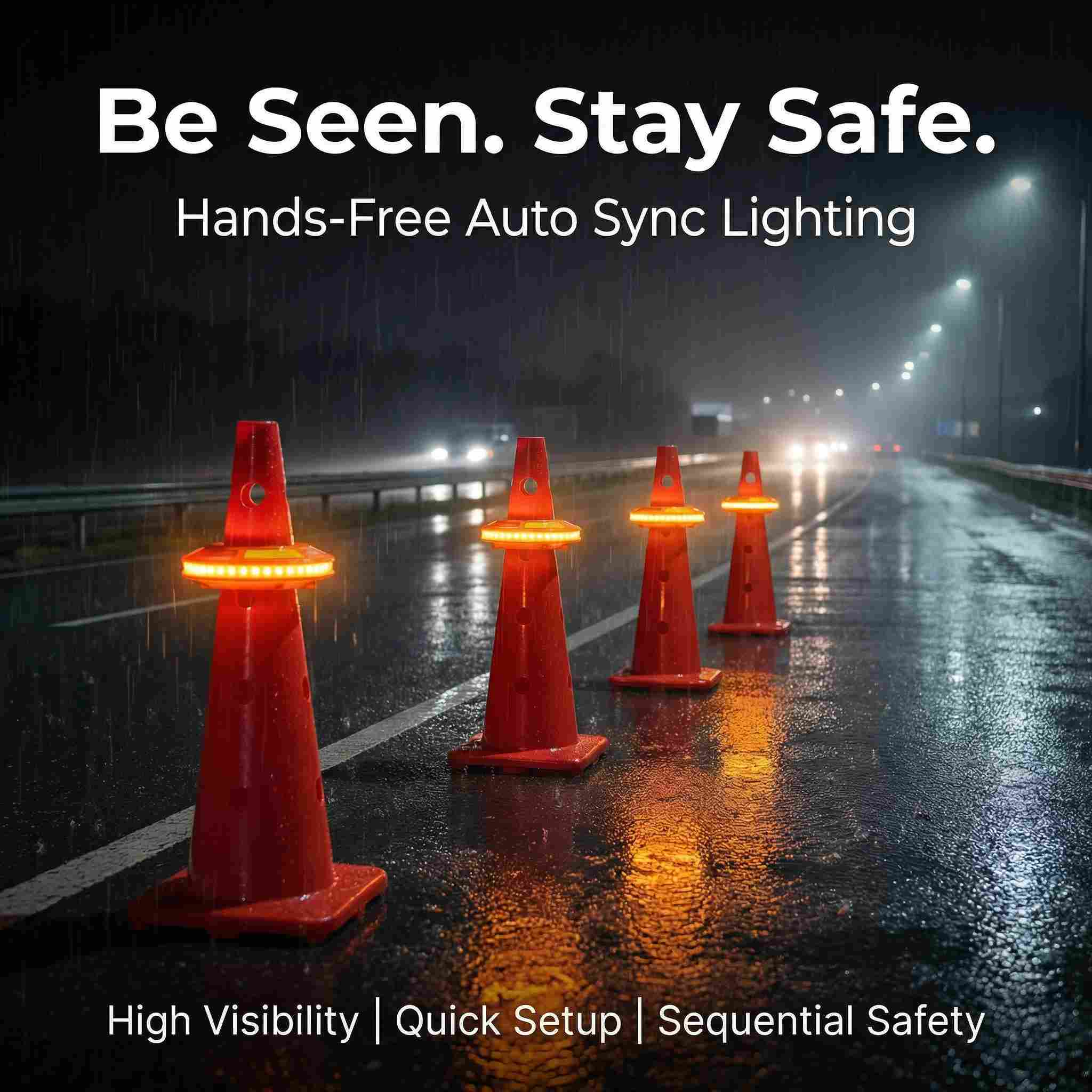
Compared with traditional warning methods, LED warning systems are much better at attracting attention. They stand out more clearly, work well in low-light conditions, and help drivers recognize a hazard sooner.
Studies indicate that LED warning devices can significantly improve driver recognition. Flashing warning lights may also help reduce vehicle speed by up to 15%, which can make a meaningful difference in work zones, roadside emergency areas, and temporary traffic control setups.
In practice, high-visibility warning systems are useful because they do more than alert drivers. They also encourage slower, more careful driving in environments where quick decisions matter.
Why Sequential Lighting Works Better
Traditional lights usually work as passive warnings. They show that something is there, but they do not always guide drivers clearly.
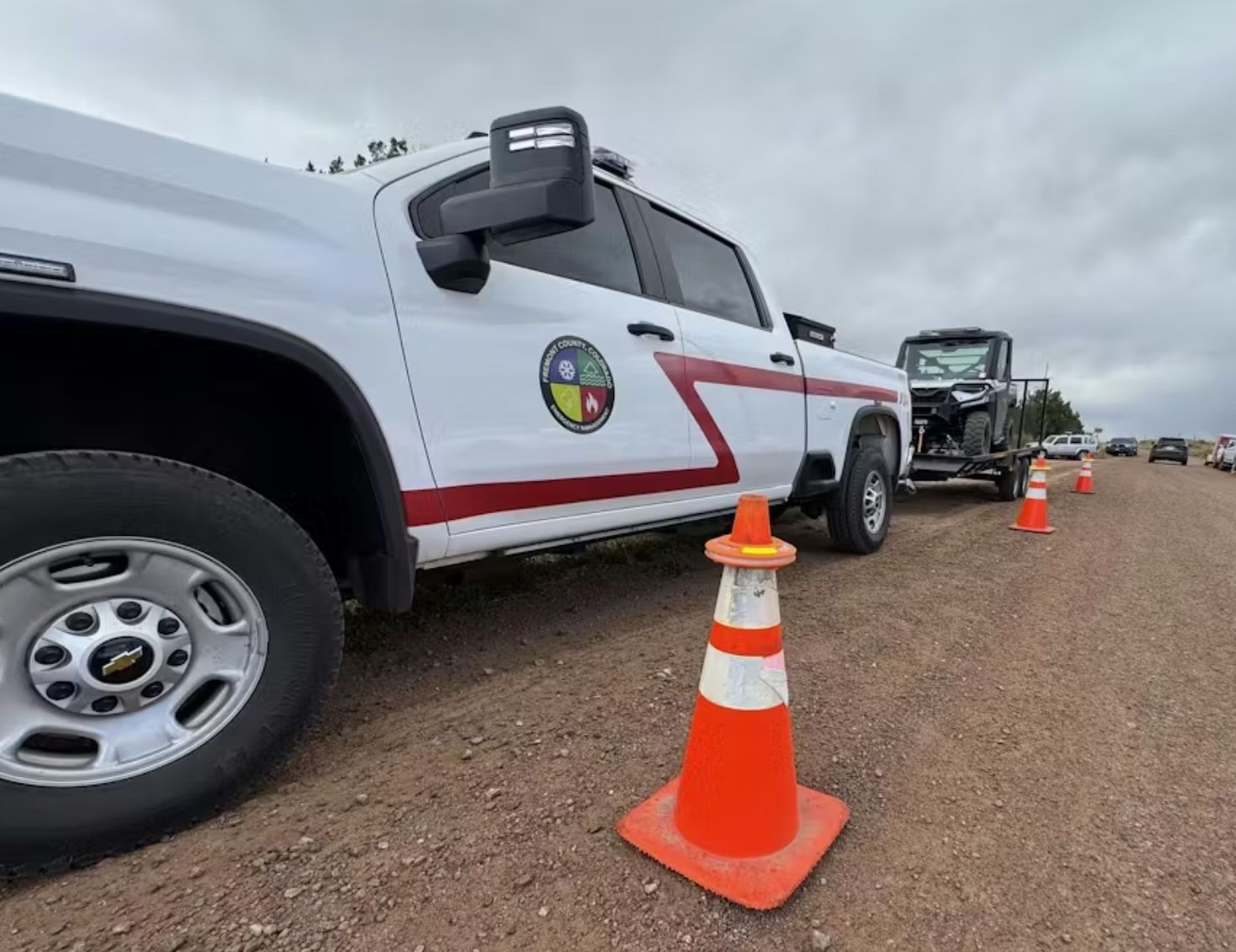
Sequential lighting takes a more active approach. Because it creates movement, it is often easier for drivers to notice and understand at a glance. Research on visual attention shows that people tend to respond faster to moving light sources than to static ones.
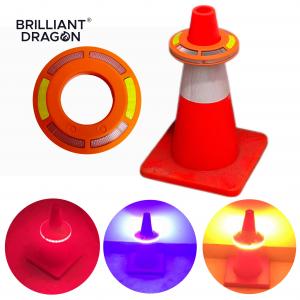
That is one reason products like Sequential Traffic Cone Ring Lights can be so effective. They are easier to notice, easier to interpret, and better at helping drivers make quicker decisions in changing traffic conditions.

The Relationship Between Visibility and Accidents
The connection between visibility and road safety is straightforward: when drivers can see better, accidents are less likely to happen.
Multiple studies support this idea. Higher visibility improves reaction time, while poor visibility remains one of the major causes of traffic accidents. FHWA research also suggests that better road lighting can reduce accidents by approximately 30%, which shows how important lighting is in a traffic safety system.
In other words, if the goal is to improve traffic safety, visibility should always be treated as a priority rather than an extra feature.
References
-
FHWA research on roadway lighting and nighttime safety
-
National Safety Council studies on night driving risk
-
Traffic visibility and driver reaction time research reports
FHWA research on roadway lighting and nighttime safety
National Safety Council studies on night driving risk
Traffic visibility and driver reaction time research reports
Explore our rechargeable traffic cone light solution
Related News